CNC Router Manufacturer in China | SENYO Machinery


 +86 1525 3141 880

From: www.senyocnc.com Date: 02nd January 2025 Author: SENYOCNC Views: 1257
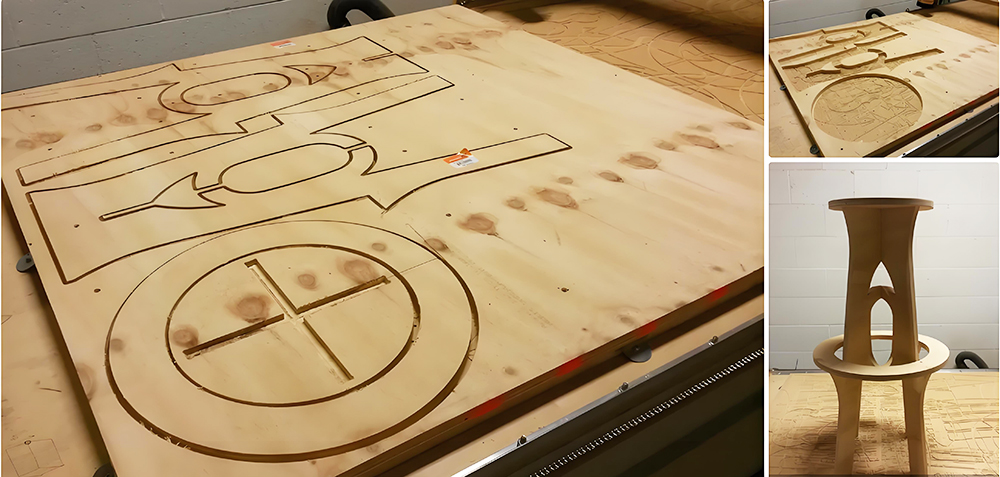


In this Instructable you will:
Setup the CNC Router
Load a DXF file and generate the G-CODE the machine will use to cut out the stool
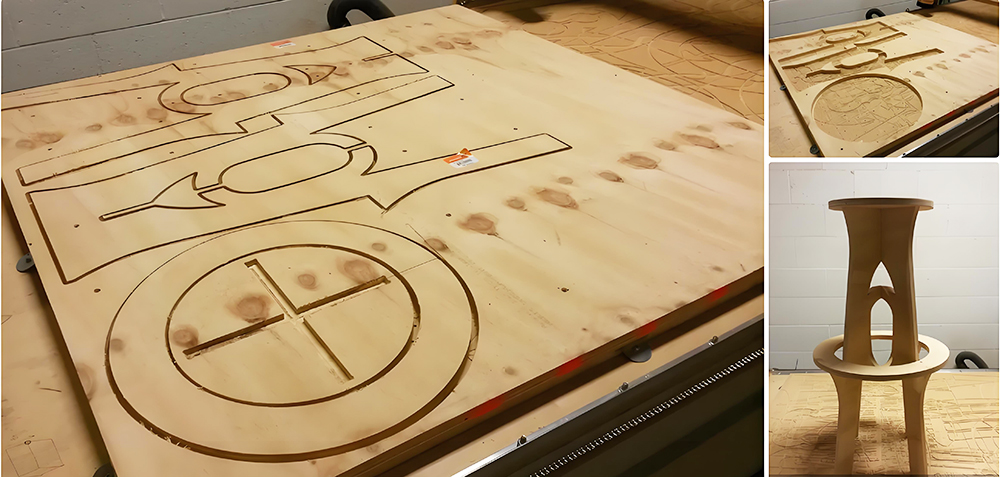
Cut out a bar stool using the CNC Router
You will need:
CNC Router and controlling computer with Cut 2D and Mach 3
Stool DXF file
0.25-inch End mill (2 flute)
4-foot by 3-foot piece of 0.703-inch thick plywood
"CNC Collet Nut" Wrench (or Adjustable Crescent Wrench)
21mm Wrench (or Adjustable Crescent Wrench)
Screwdriver and screws
Safety glasses
Hearing protection (optional, but recommended)
Tape measure (optional, but recommended)
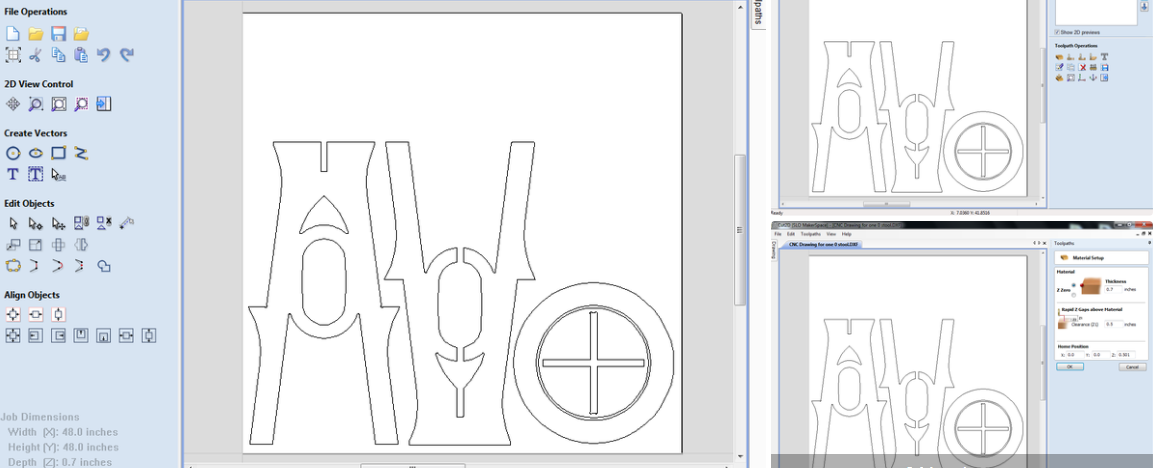
Use DXF file
Open Cut 2D (Picture 1)
Click "Open an existing file" (Picture 2)
Select "CNC Drawing for one 0 stool.DXF" (Picture 3)
The "Job Setup" page will load (Picture 4)
Adjust size of wood (width = 48 inches, height = 36 inches)
Adjust thickness (0.7 inches)
Uncheck "Use origin offset"
Click "OK"
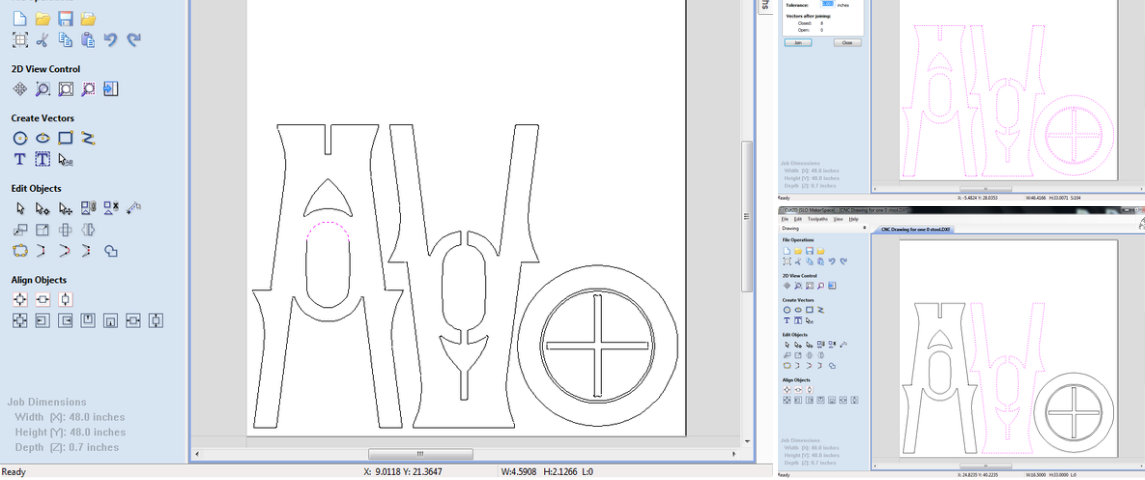
The imported DXF will be a series of unconnected lines and curves. (Picture 1) You will want to join the vectors to create closed objects.
To do this:
Type "j" on keyboard
The "Join Vectors" menu will appear on the left (Picture 2)
Select all of the objects on the sheet by clicking and dragging a box around them
Click "Join" in the "Join Vectors" menu on the left
There should now be 8 closed vectors which you can select by clicking on them. (Picture 3) We will use these vectors to create toolpaths in the next step.
Cut 2D Tip:
You can click and drag down and right to select only the objects within your selection window. You can click and drag up and left to select all objects touching or inside of your selection window.
We will now create the code that the machine will use to cut out the stool.
Click the 5th button in the second row of the grid in the toolpaths menu: "Save toolpaths" (Picture 1)
Select all the toolpaths in the upper right list (Picture 2)
Make sure "Output all visible toolpaths to one file" is selected
Make sure Mach2/3 is selected as the post-processor
Click "Save toolpath(s) to file"
Pay attention the the place and name you are saving the file, and click "Save"
Move gantry out of the way
If stepper motors are powered up, use Mach 3 (details in Step 8: Load G-Code in Mach 3)
If stepper motors are not yet plugged in, you may gently push it by hand
Set plywood on top of spoils board. Be sure to line up the edges of the plywood with the edges of the spoils board.
Screw plywood into spoils board at edges.
Turn on sawdust collection vacuum (in the room behind the CNC Router) and make sure suction is generated at the inlet adjacent to the end mill.
Plug in water pump (the cord/plug attached to the white bucket between the CNC Router and the wall). This pump will circulate water and cool the spindle.
Plug in the spindle motor (the white 220V cord/plug labeled "Router")
Double-check all setup procedures and make sure you are wearing protective eyewear.
Press (and hold briefly) the green button on the spindle control box below the computer monitor to start the spindle. Wait for it to speed up. (
Click the green "Cycle Start" button in Mach 3. Watch the machine and the controls as it starts up to make sure everything is operating as expected. Verify that the zero Z coordinate is correct. Be ready to click the red "Cycle Stop" button if needed. Once clicked, it will stop the code from running and you can fix what you need to and press the green "Cycle Start" button again to continue. However, if it is stopped on a curve, you may need to restart the process.
Continue monitoring as the CNC Router cuts out the stool!
Once the cutting has been completed, press (and hold briefly) the red button on the spindle control box below the computer monitor to stop the spindle.
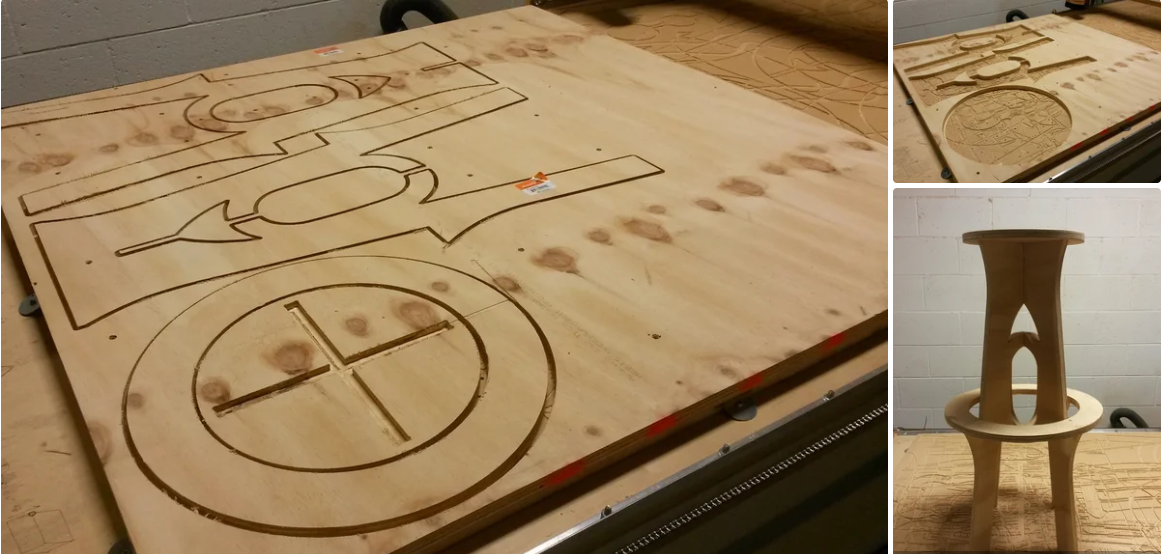
Unplug spindle motor, water pump, and stepper motor power
Turn off the sawdust collection vacuum
Remove the cut stool pieces
Remove remaining scrap from CNC Router table
Vacuum all surfaces
Remove end mill
Put all tools away
Close computer programs and delete your files from the desktop
Sand the edges of the stool pieces
Assemble the pieces
Screw in the footrest (and seat if necessary)
Enjoy your new stool!
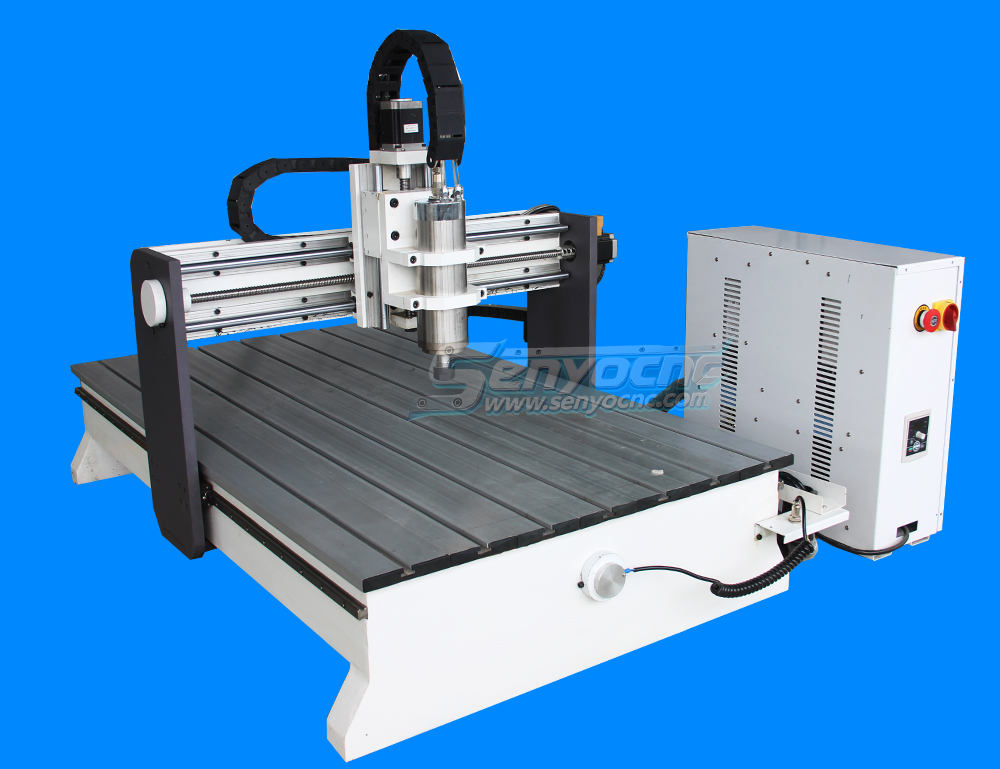
Mini Desktop CNC Router for Gifts Making Small Business
Best Granite marble manual polishing machine For Sale
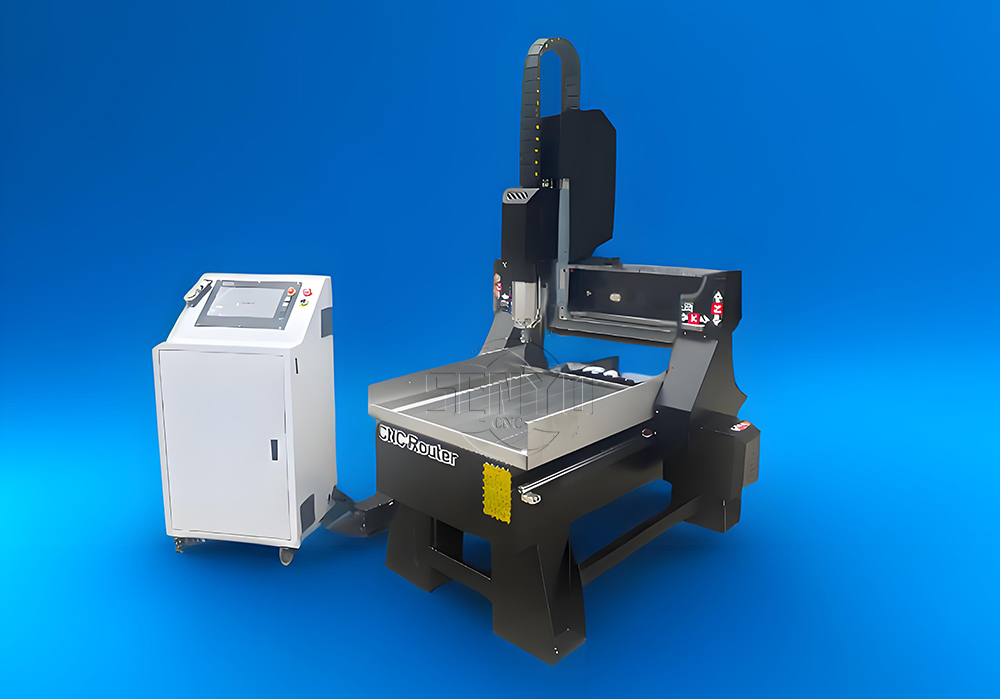
Stone Processing CNC Equipment Automatic Tool Changer CNC Quartz Stone Machining
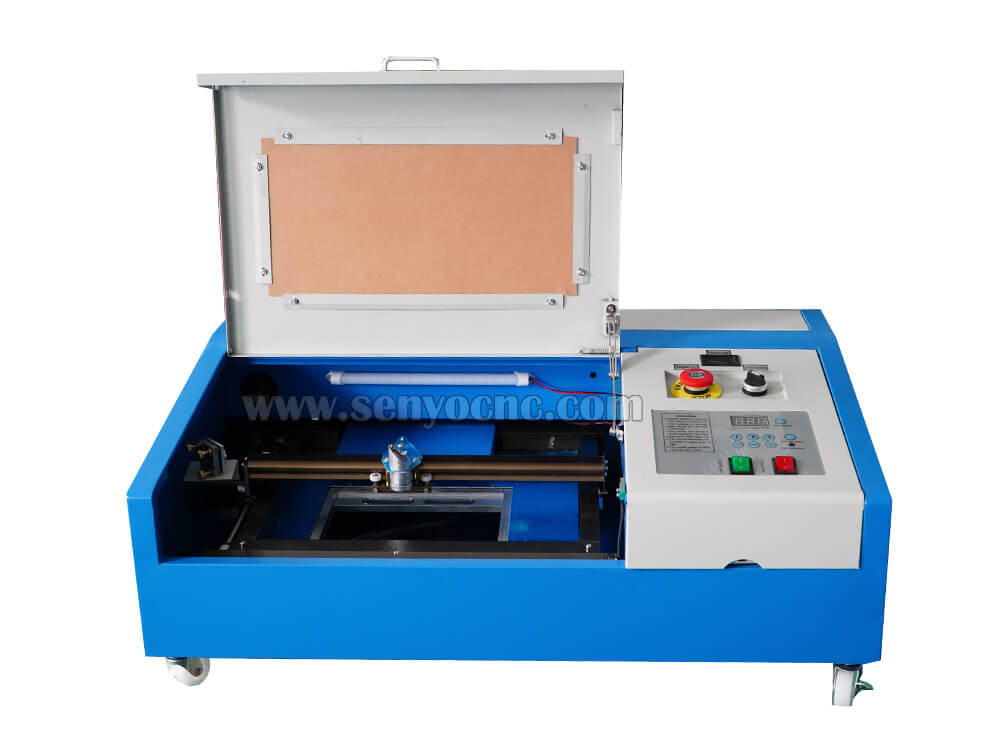
3020 40W Mini CO2 Laser Engraving Cutting Machine
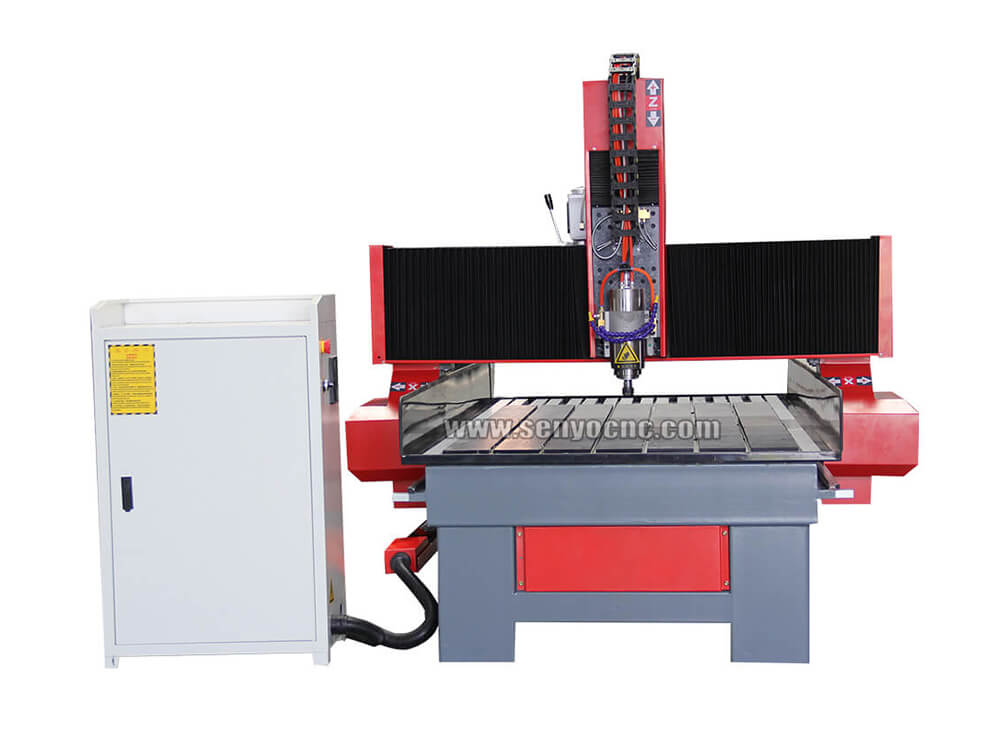
New Design Mini Stone CNC Machine for Marble, Granite and Quartz
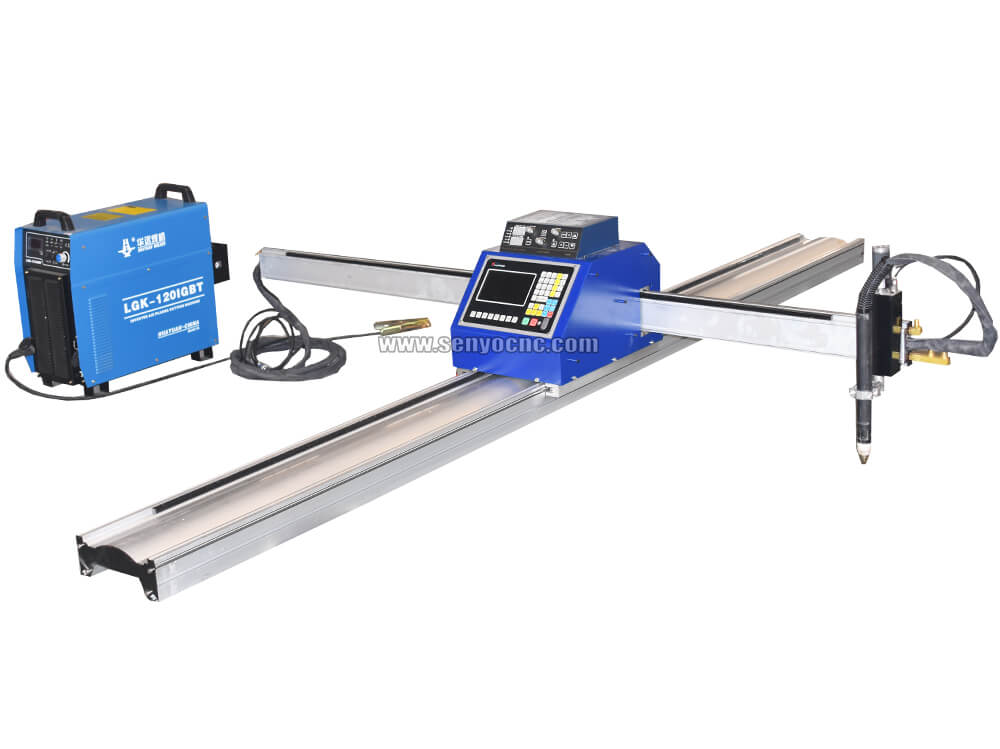
Portable CNC Flame Cutting Machine with Plasma Torch for Sale
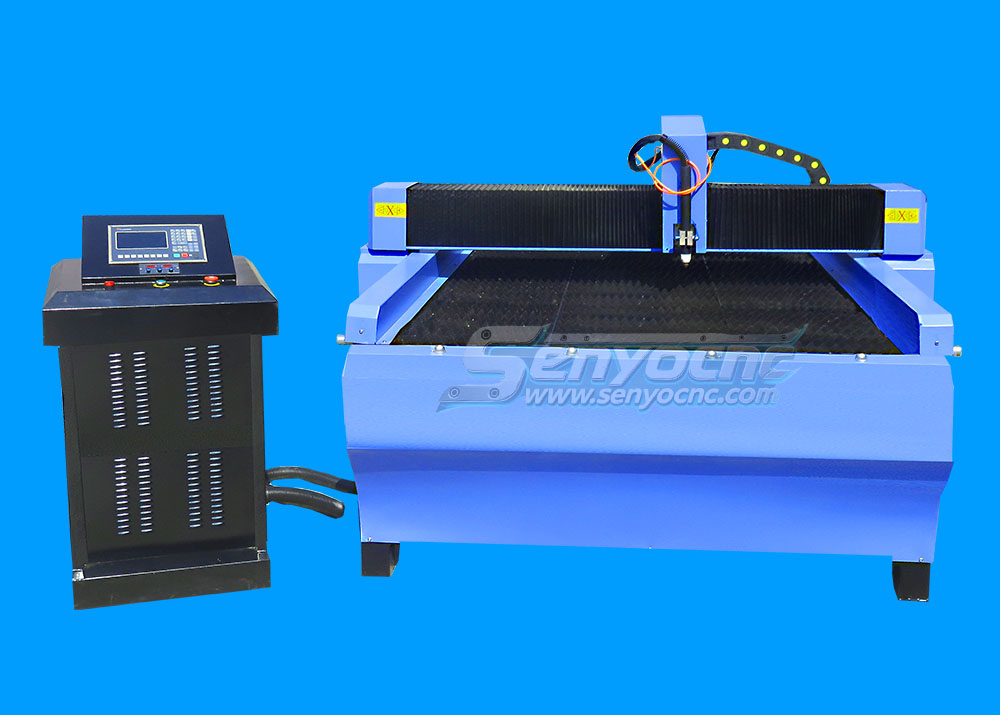
High-Precision Mini Hobby CNC Plasma Cutting Machine for Metal
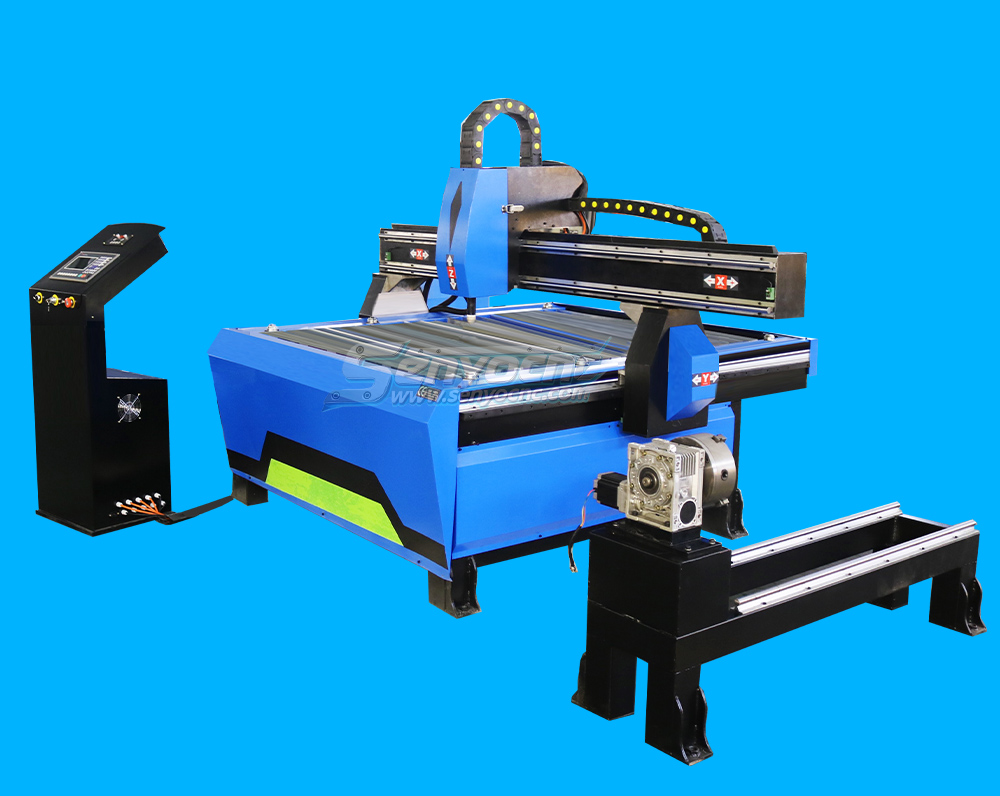
Mini CNC Plasma Cutter With Rotary
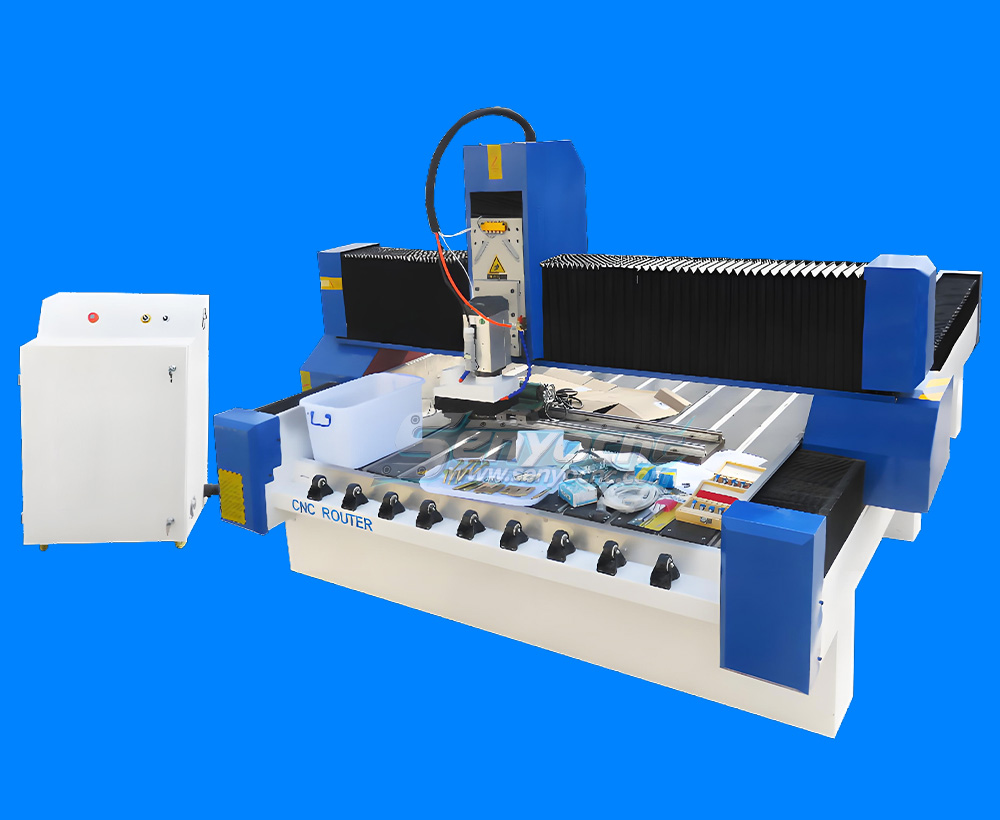
4 Axis 1325 Sculpture Machine Cnc Carving Marble Granite Stone Cnc Router
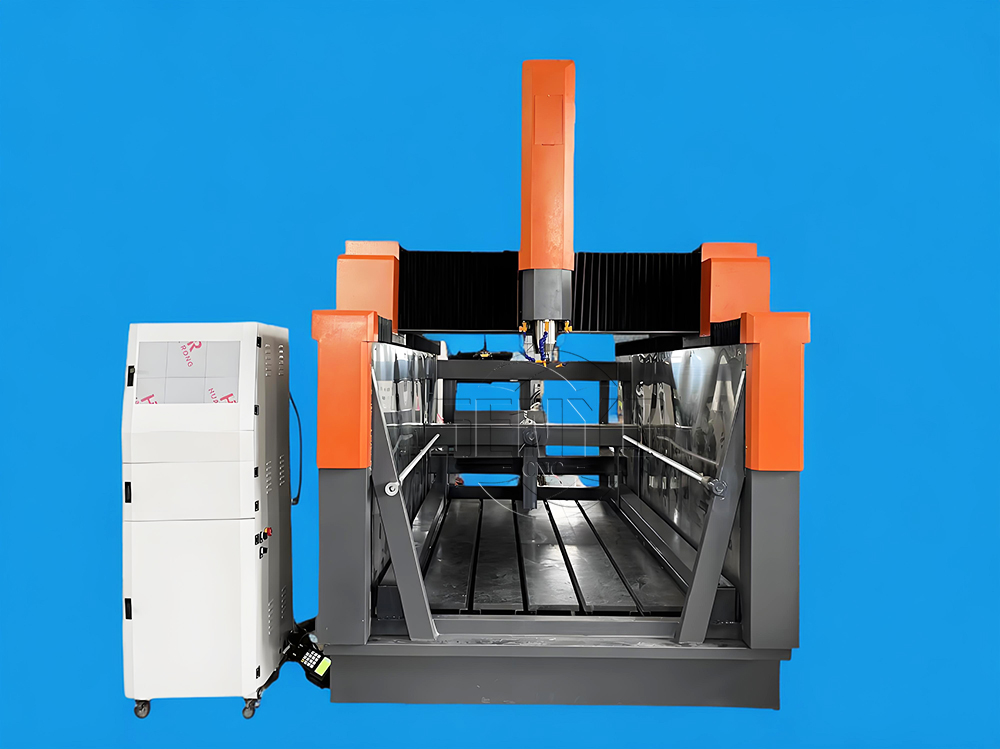
Z Height 1000MM 4-AXIS Stone Engraving CNC Machine Heavy-duty Stone CNC Machine Stone Relief Carving CNC For Sale
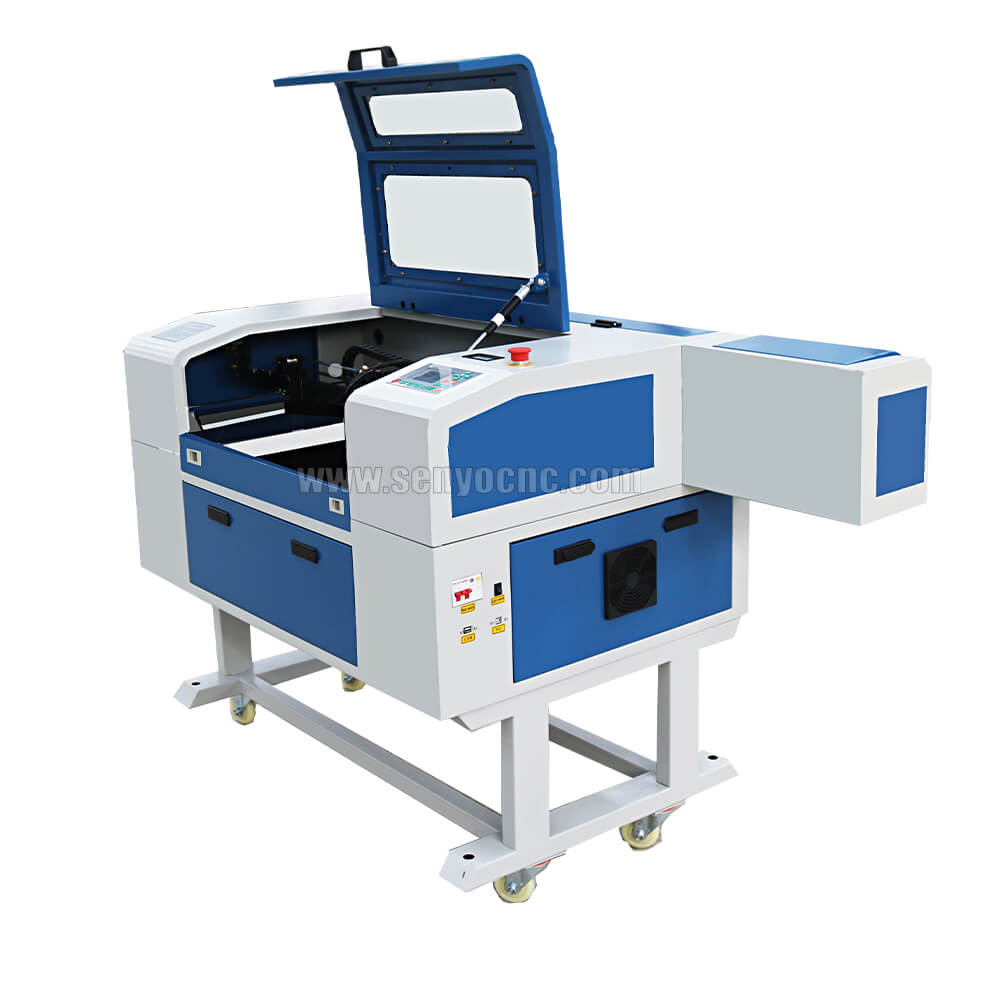
4030 portable mini co2 laser carving and desktop rubber stamp laser engraving machine
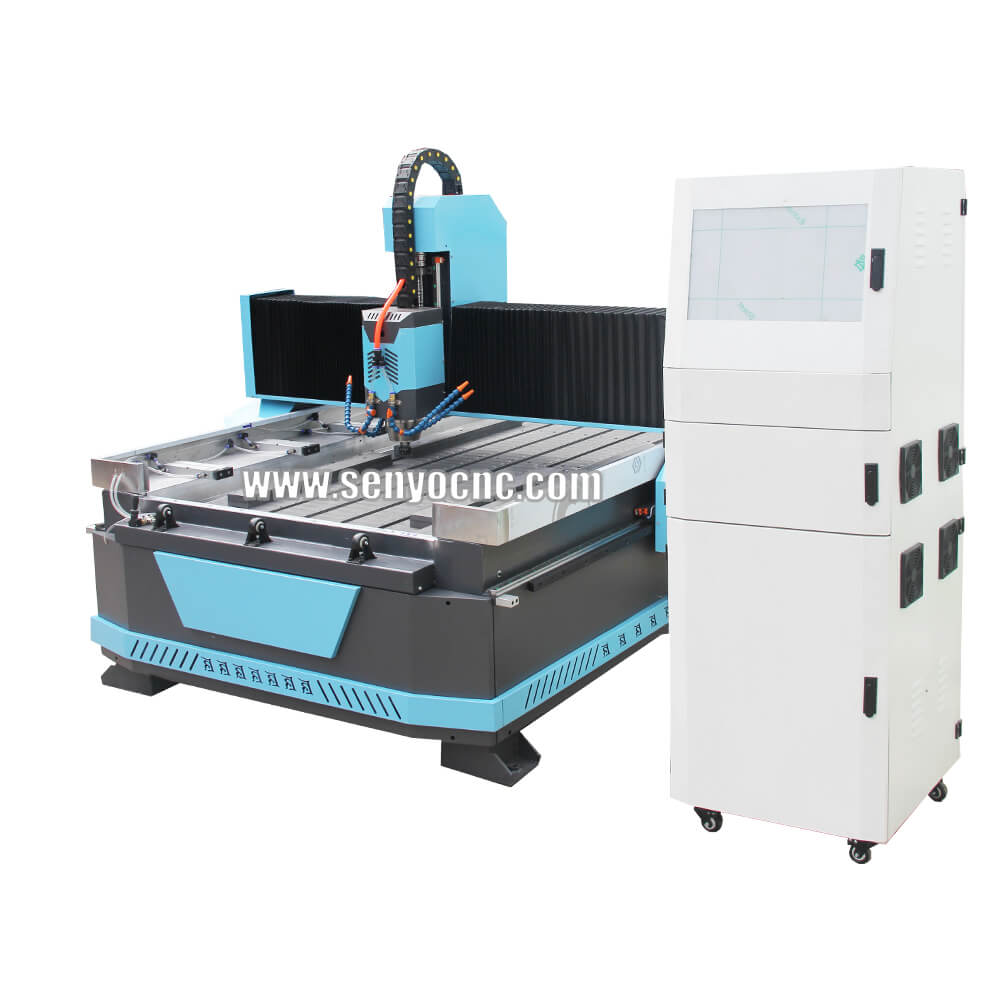
Stone CNC Router For Kitchen sink tile carving and cutting Marble, Granite and Quartz
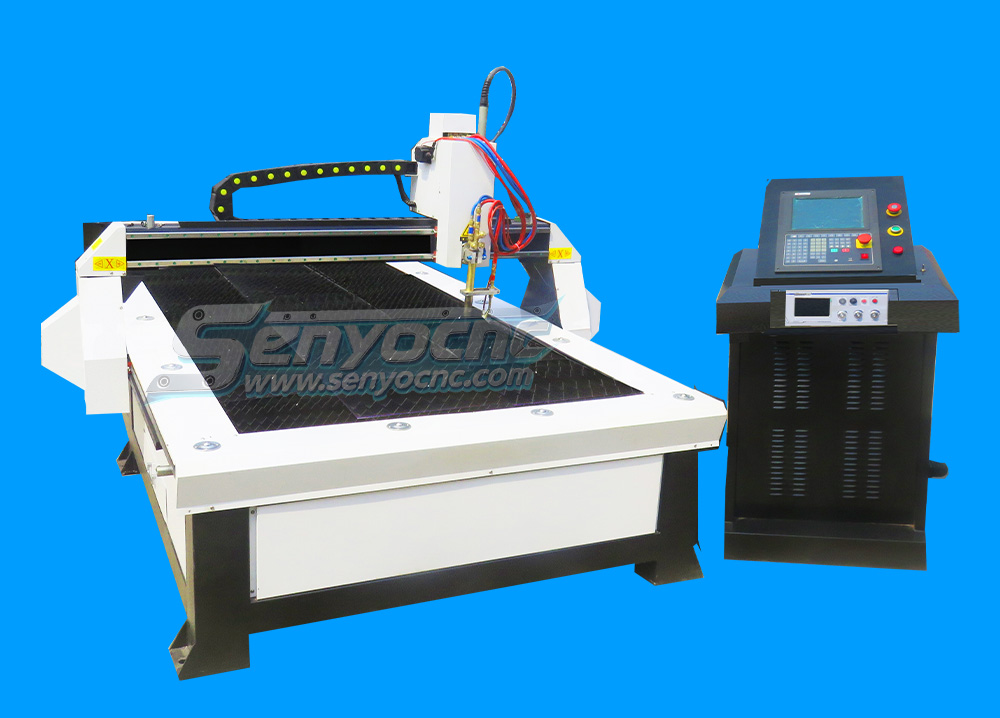
Robust CNC Plasma Cutting Machines with Flame Cut Head for Heavy-Duty Industrial Use
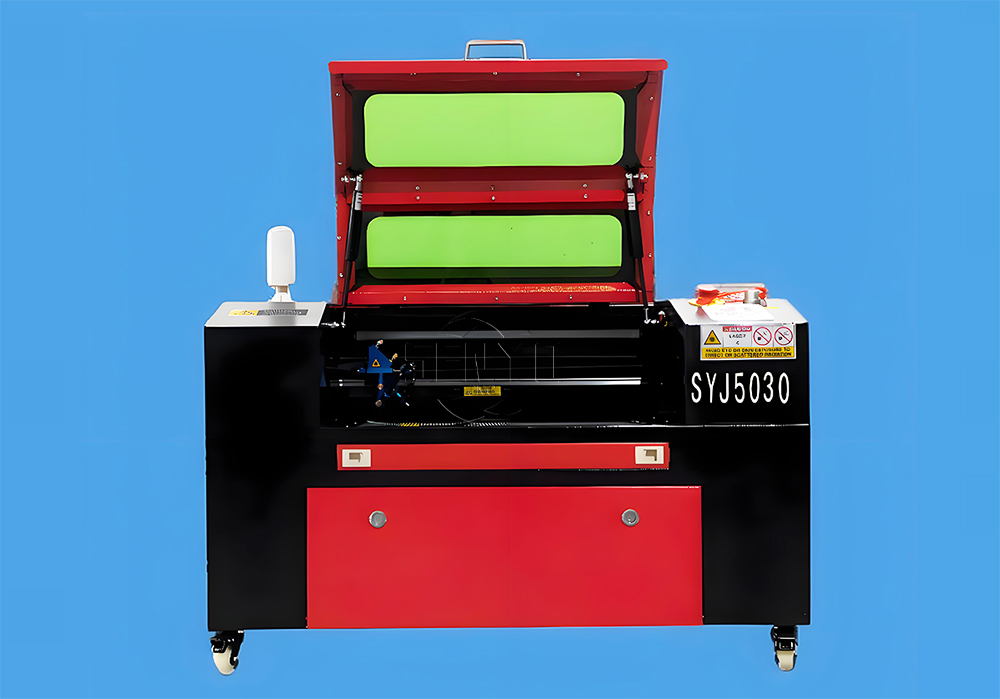
Small Portable CO₂ Laser Cutter Engraving for DIY & Business – Ideal for Wood, Acrylic, Leather
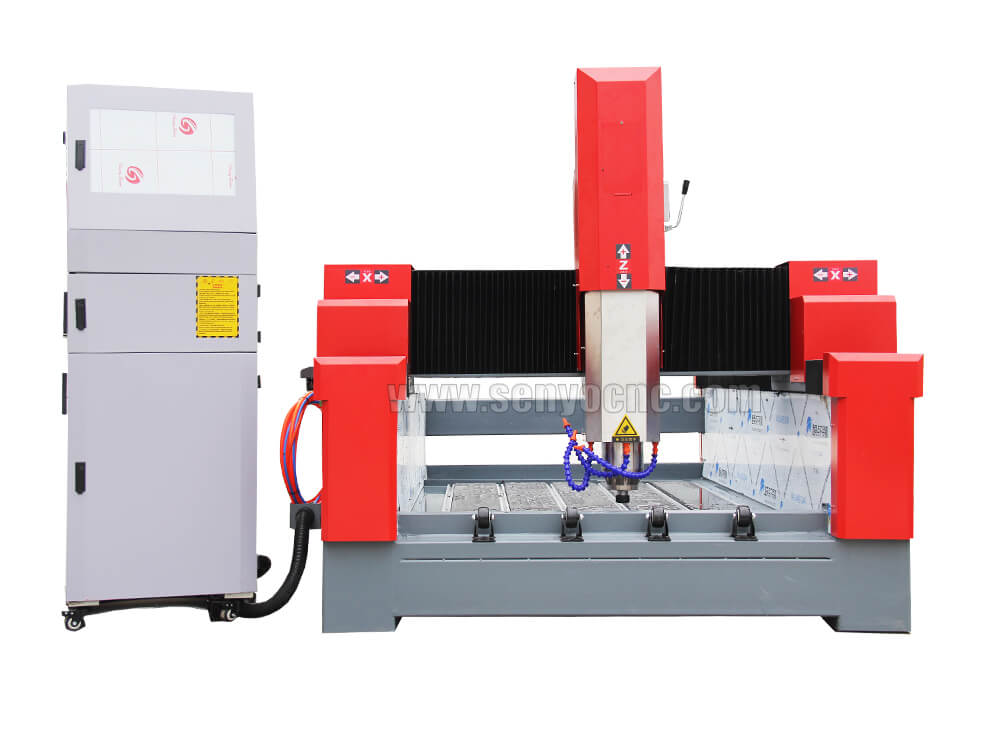
1325 3 Axis 4x8 CNC Stone Router for Sale
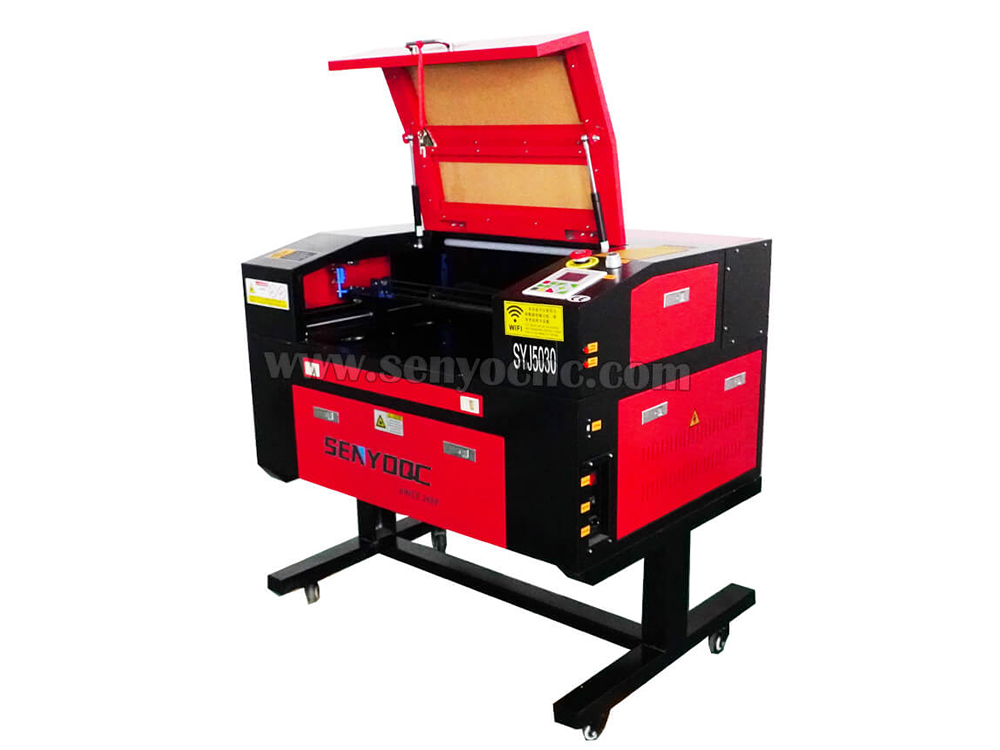
Mini CO2 Laser 5030 Cutting Engraving Machine For Sale
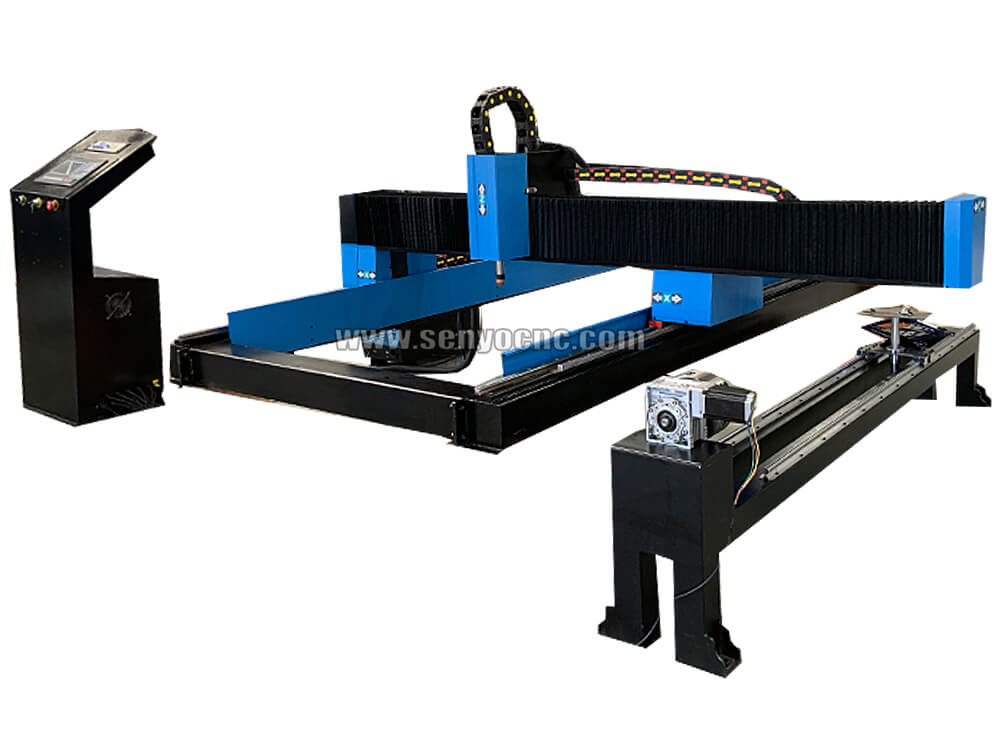
Portable CNC Plasma Flame Cutting Machine for Sale at Cost Price
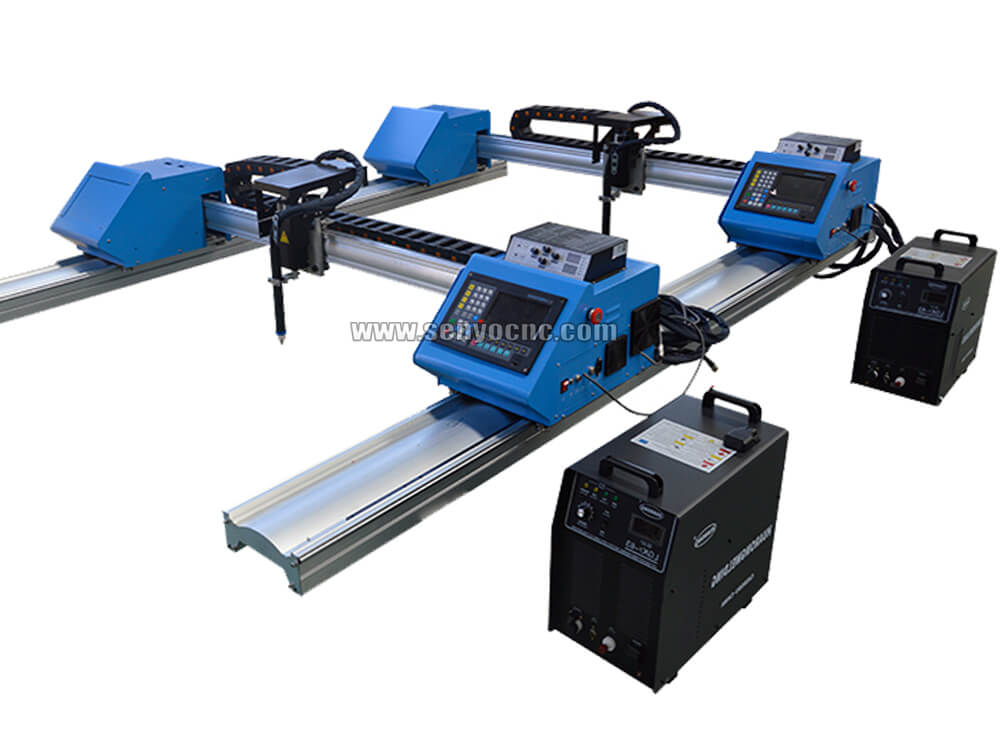
Portable Cnc Plasma Oxyfuel Sheet Metal Cutting Machine for sale
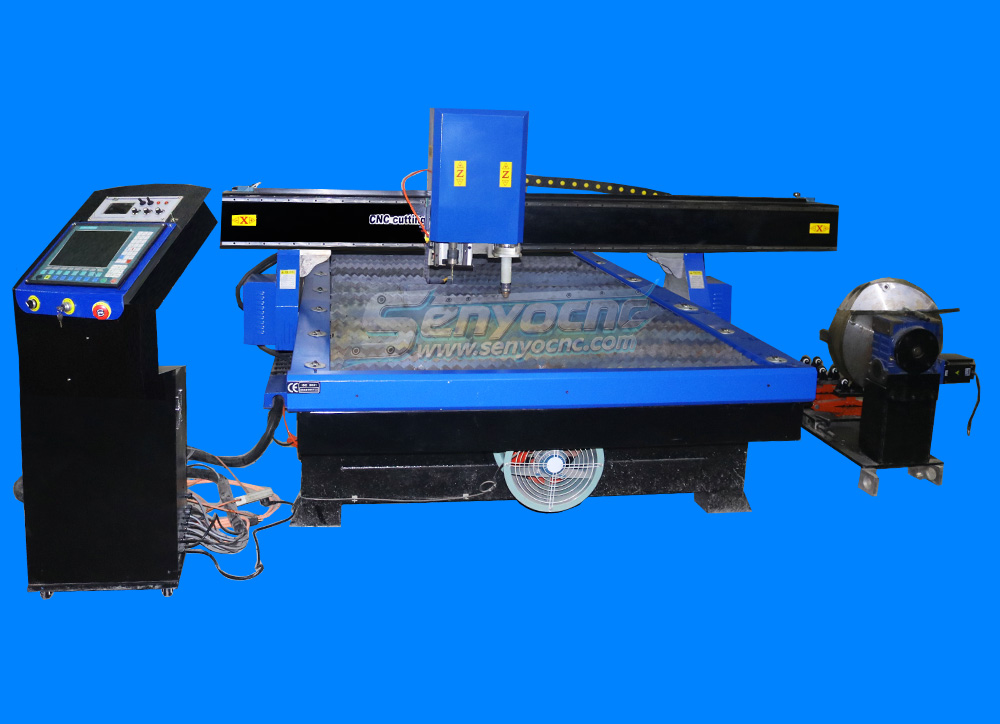
CNC Plasma Cutters for Customized Metalwork –Rotary&Drilling Head
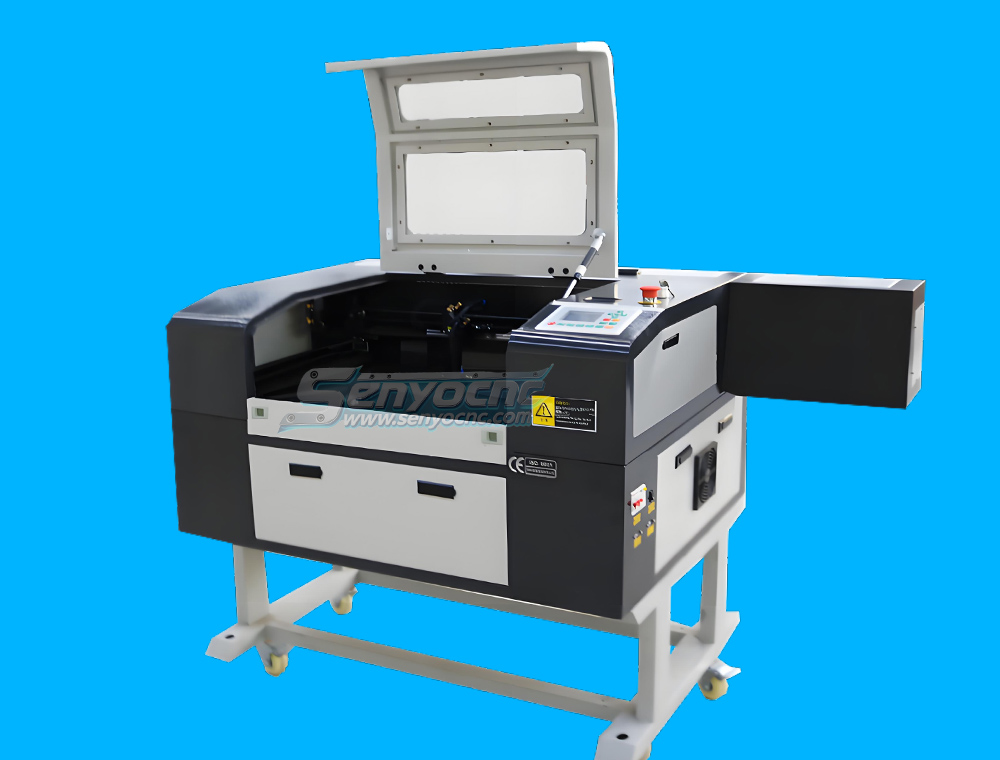
Small Table design 6040 Easy Move CO2 Hobby Laser Cutter Machine for Beginners
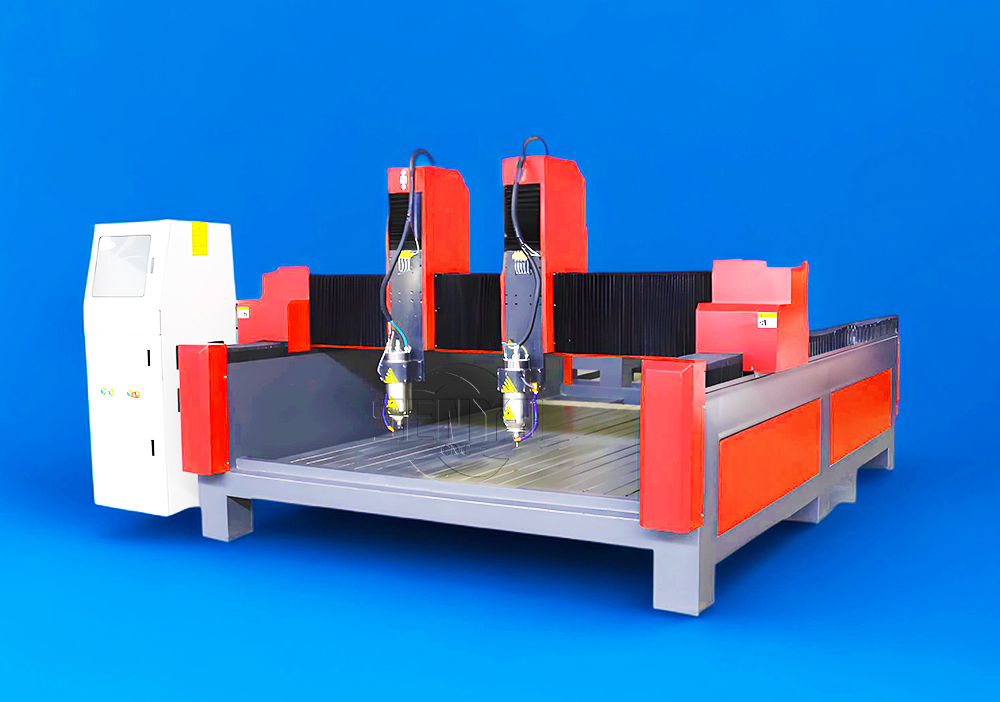
High-Efficiency 2 Heads CNC Machine for Aluminum Stone Marble Engraving & Cutting
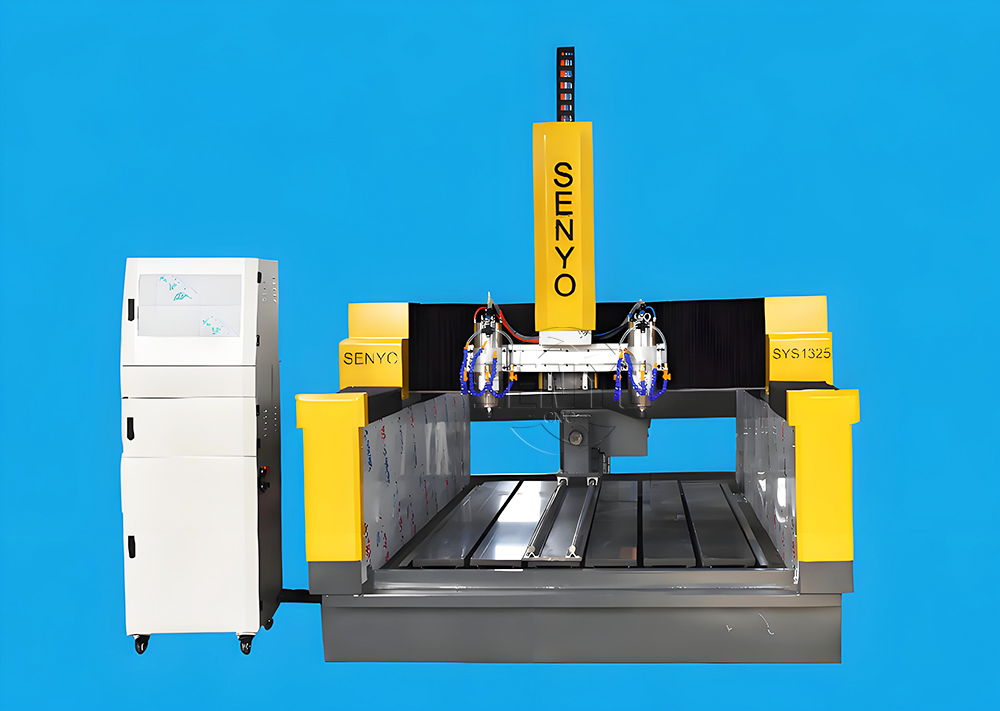
Best CNC 2 Spindle 4-AXIS Stone Carving Machine High-precision Stone Carving Stone Countertop Fabrication
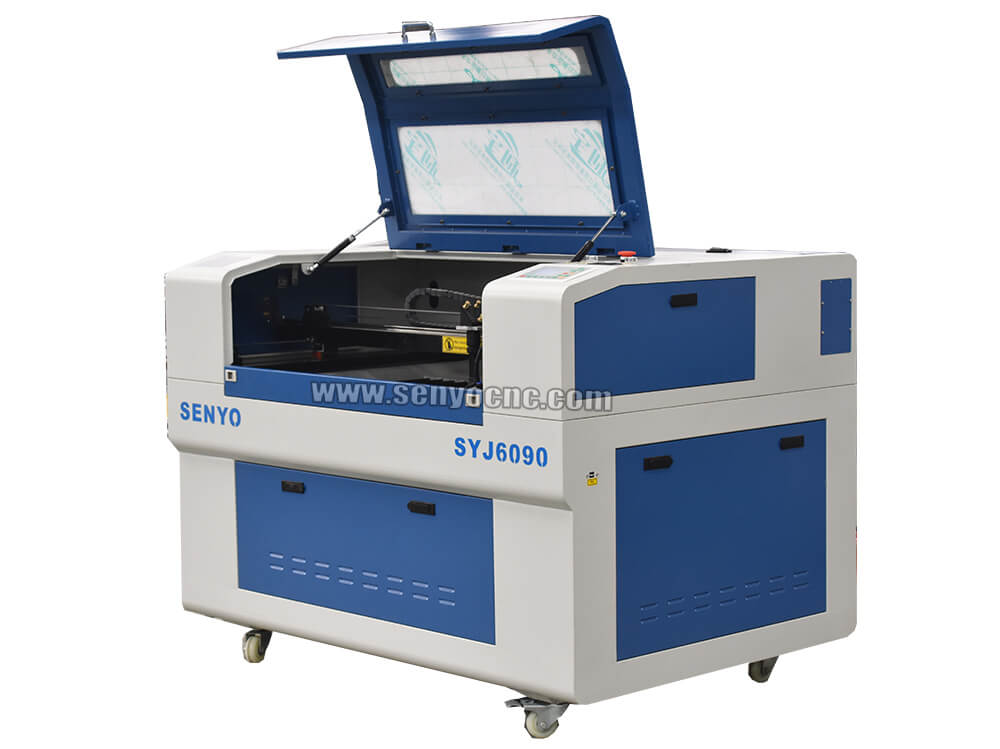
Top Rated 2x3 CO2 Hobby Laser Cutting Machine for Sale at Affordable Price
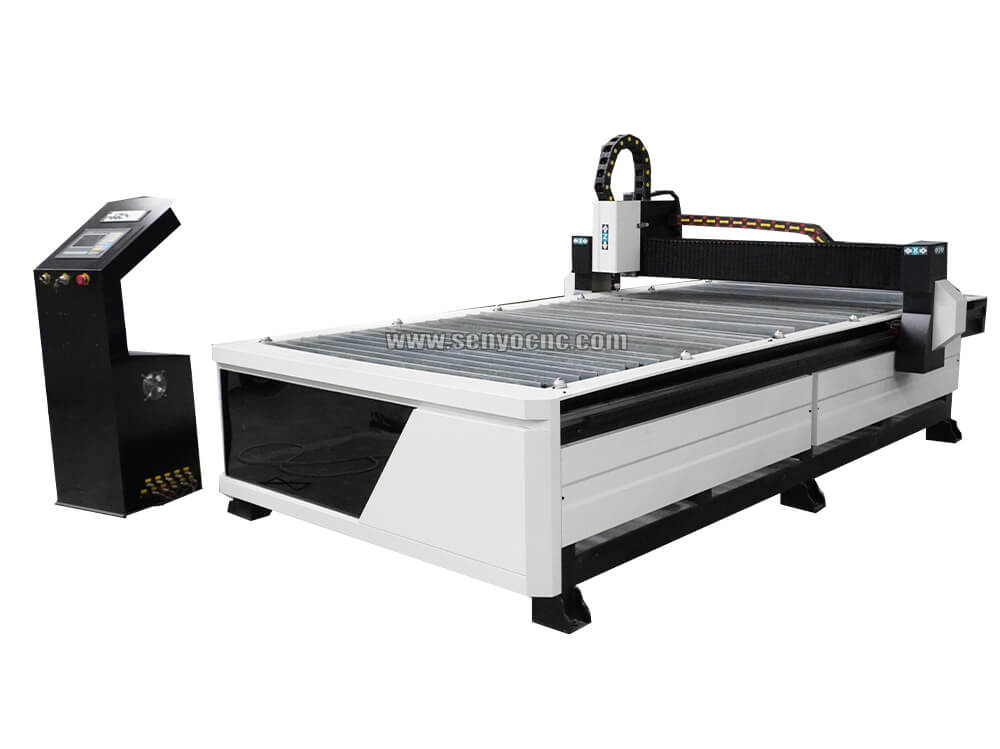
Best 4x8 CNC Plasma Cutter Table for Sale at Affordable Price
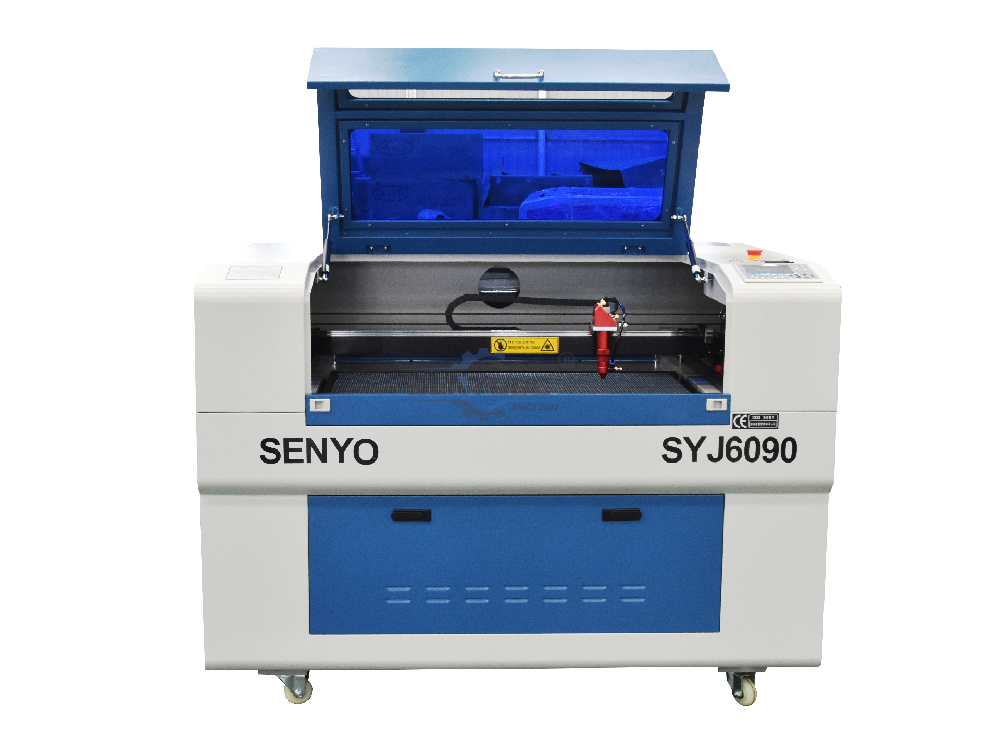
Entry Level CO2 Hobby Laser Cutter Machine for Beginners
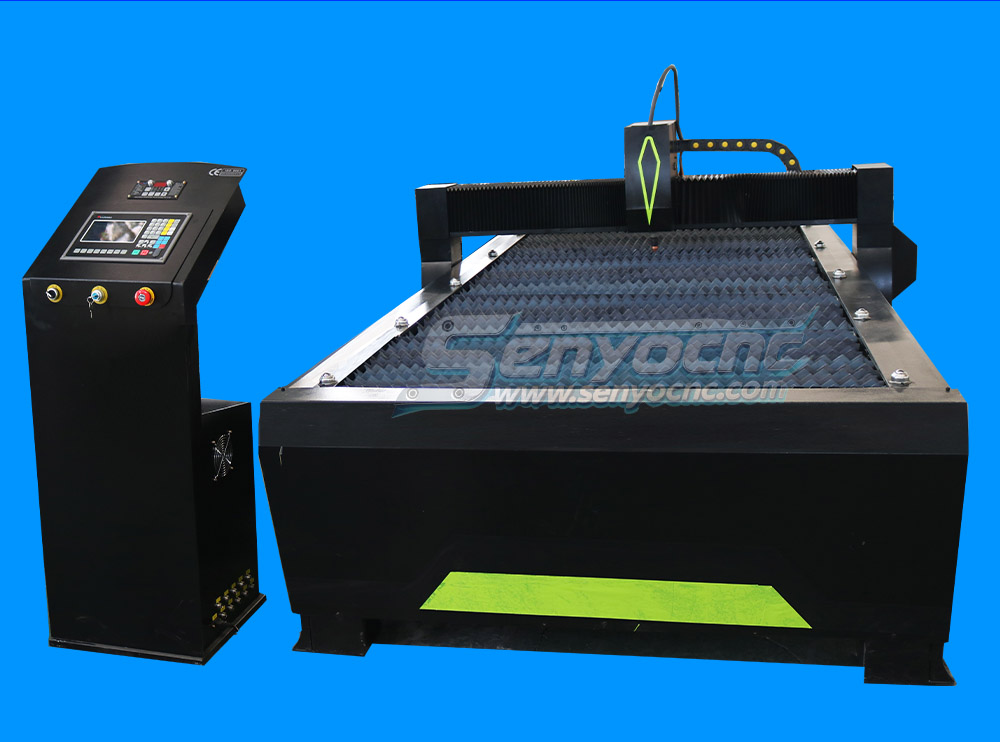
Top CNC Plasma Cutters for Automotive, Aerospace, and Manufacturing Industries
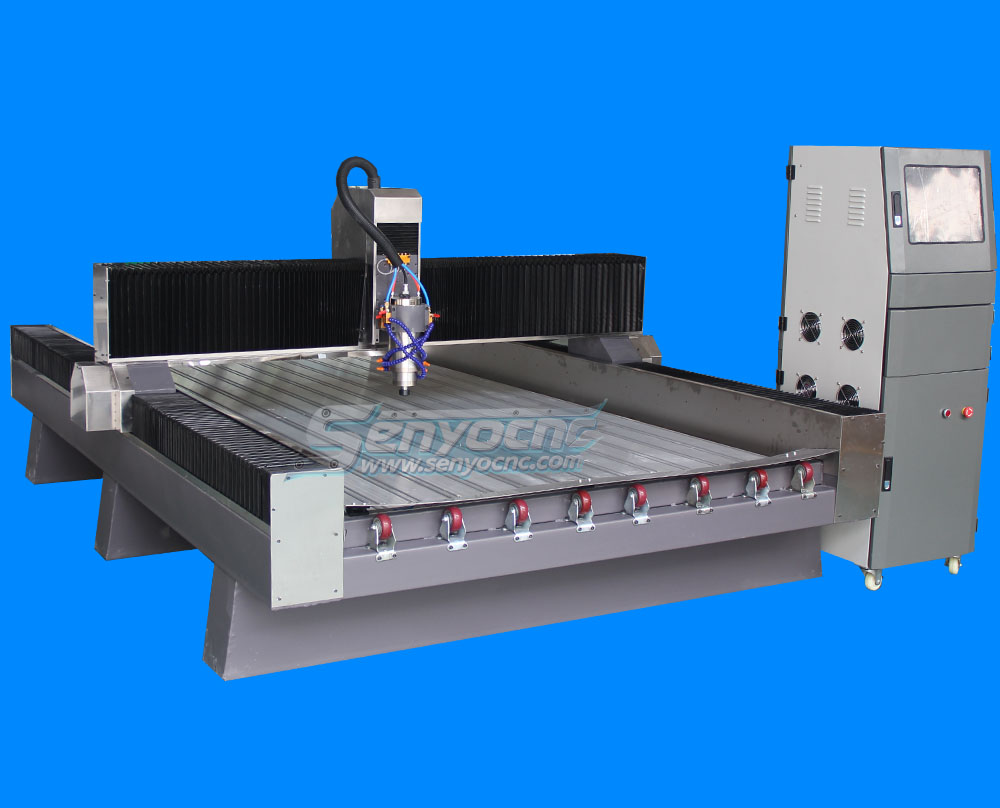
Precision Stone Engraving Machines for Memorials & Signs
Portable Co2 9060 Laser Nonmetal Cutting Engraving Machine
1090 CO2 Laser Machine with Ruida Controller for Non-metal Glass Acrylic Engraving Cutting
Entry Level 9060 CO2 Hobby Laser Cutter Machine for Beginners
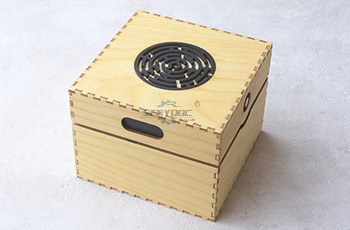
The Apprentice Maze Puzzle Box
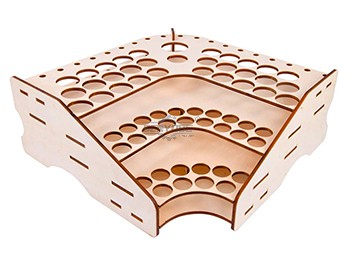
Box laser cutting software share
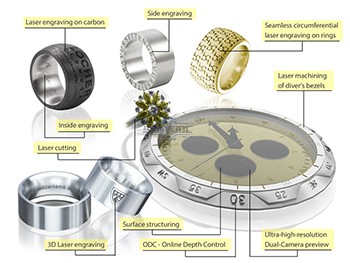
laser marking and engraving for the jewelry industry
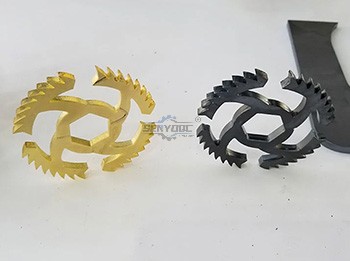
Copper cutting for fiber laser cutting machine
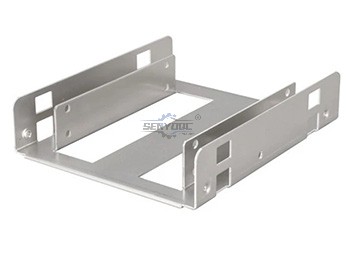
Aluminum Cutting for fiber laser cutting machine
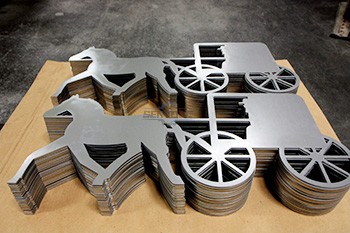
CS Laser Cutting Factors that Affect the Process
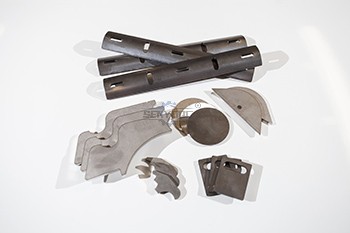
Stainless steel Fiber Laser Cutting
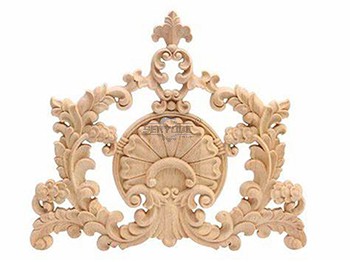
2d&3d wood MDF carving and cutting
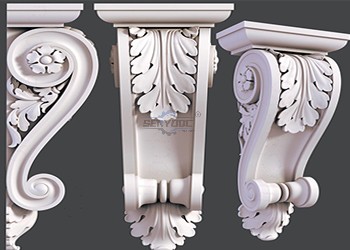
3D CNC Router for Stone Relief Carving Projects
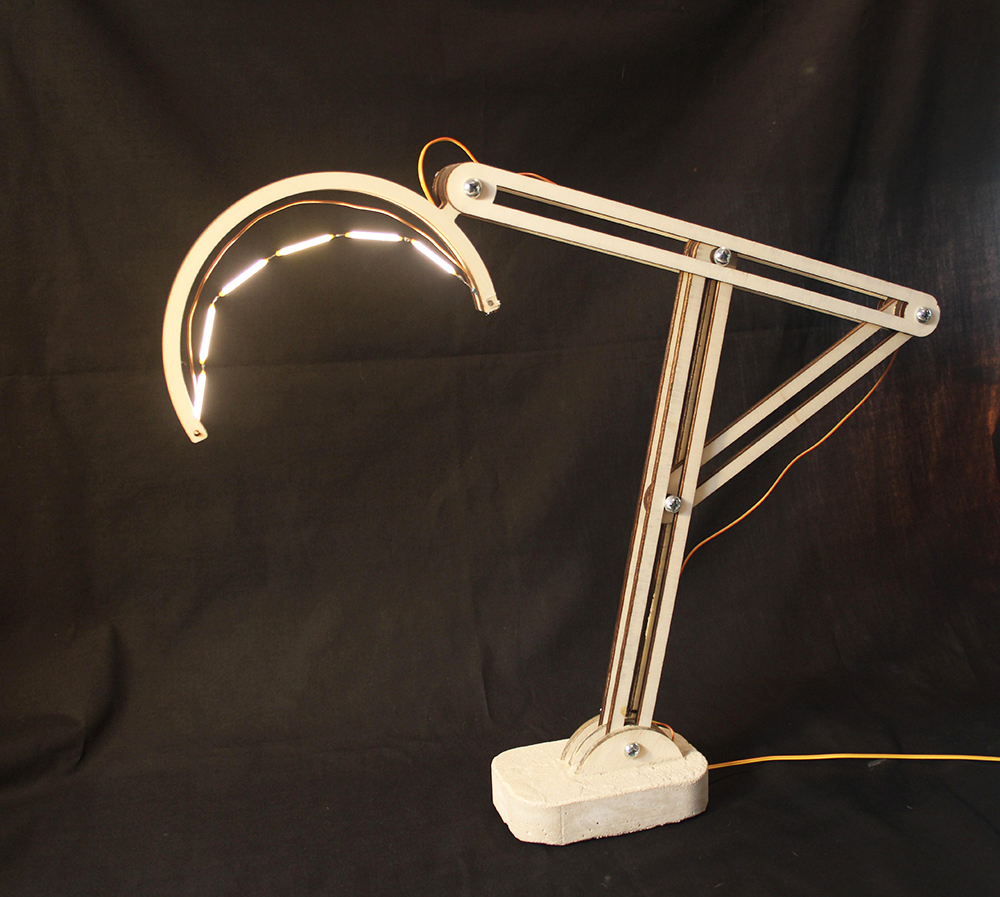
Laser Cut Adjustable Table Lamp
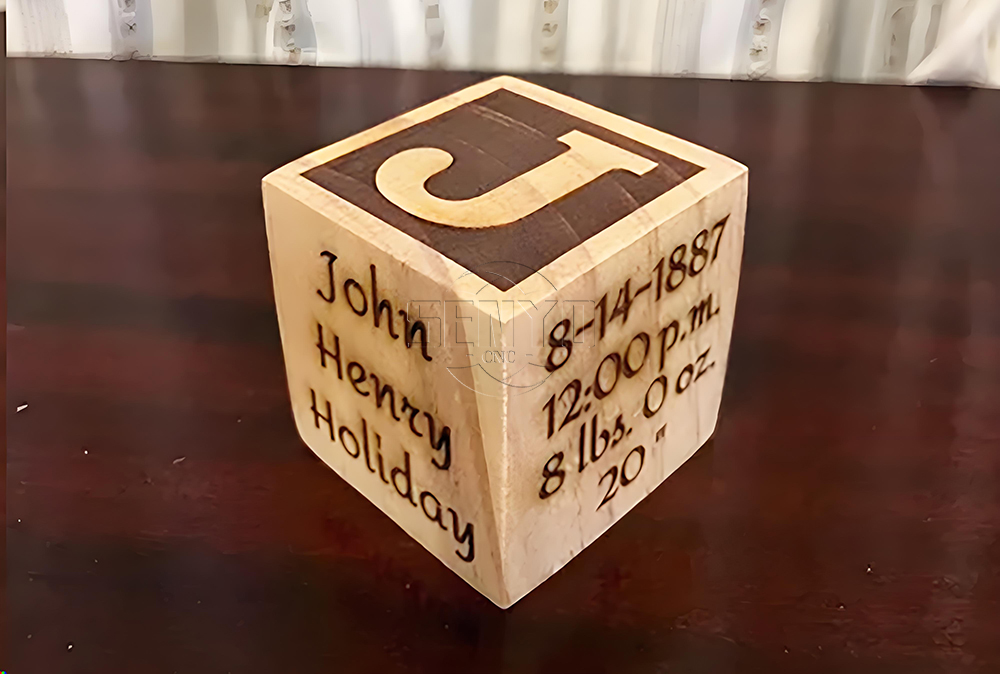
CO2 Laser cutting Baby Birth Block
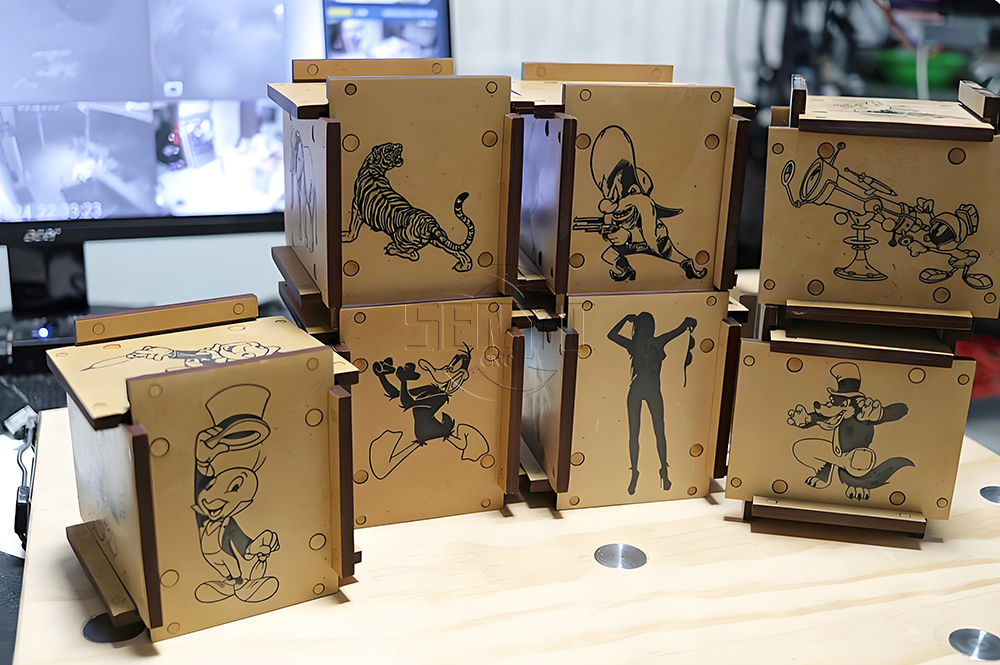
CO2 laser cutting and engraving for 6 Sided Box Puzzle
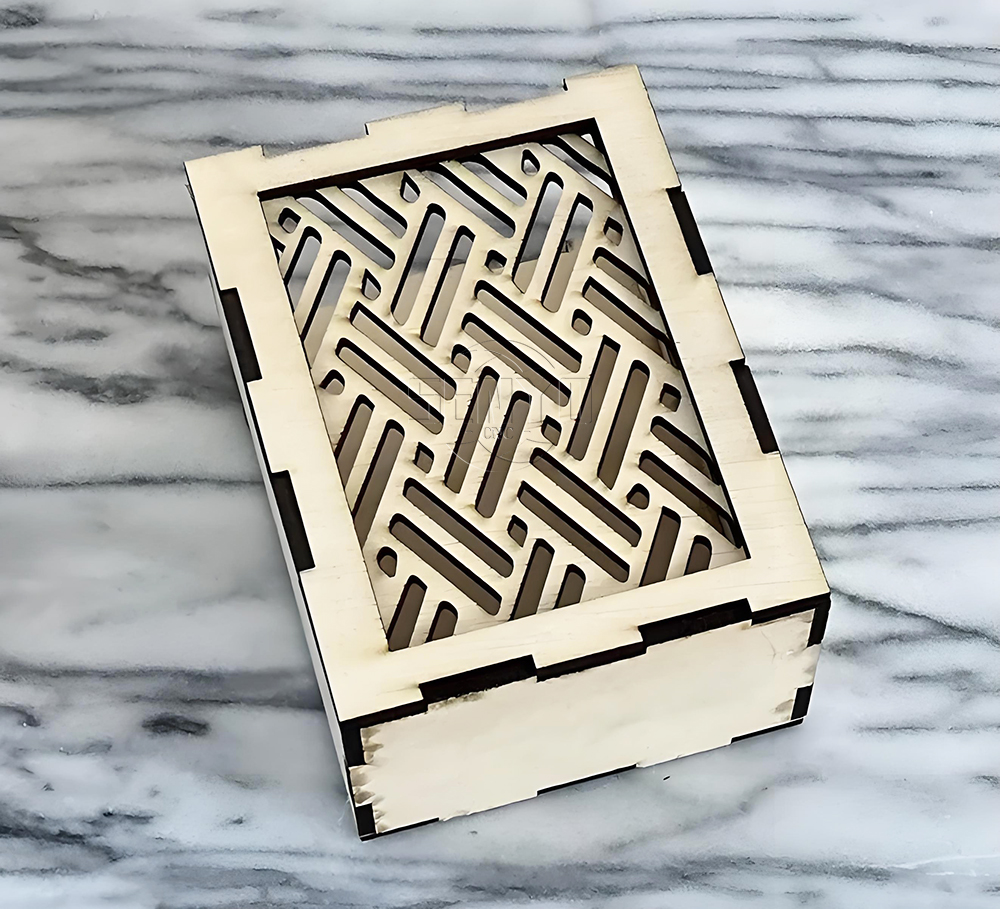
Co2 laser wood cut Illuminated Pattern Box
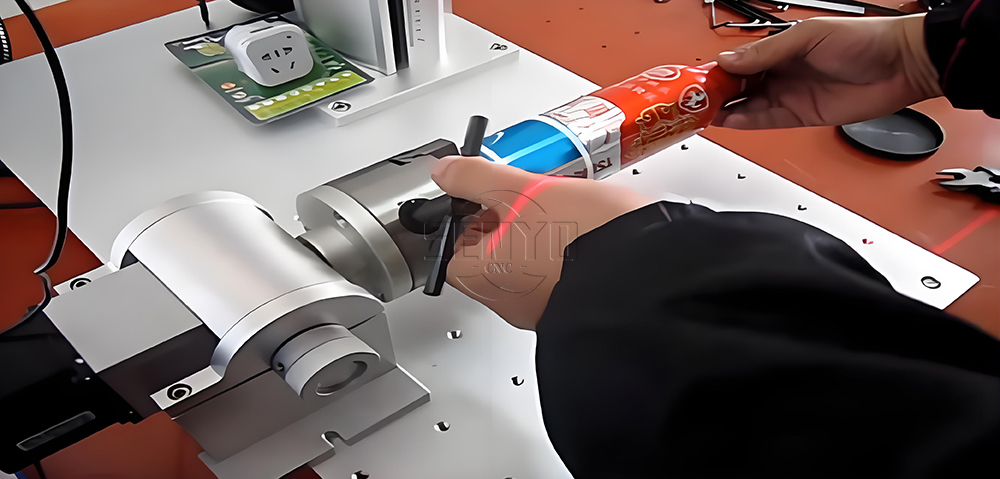
Engrave Round Parts With 50W Fiber Laser Marking Machine
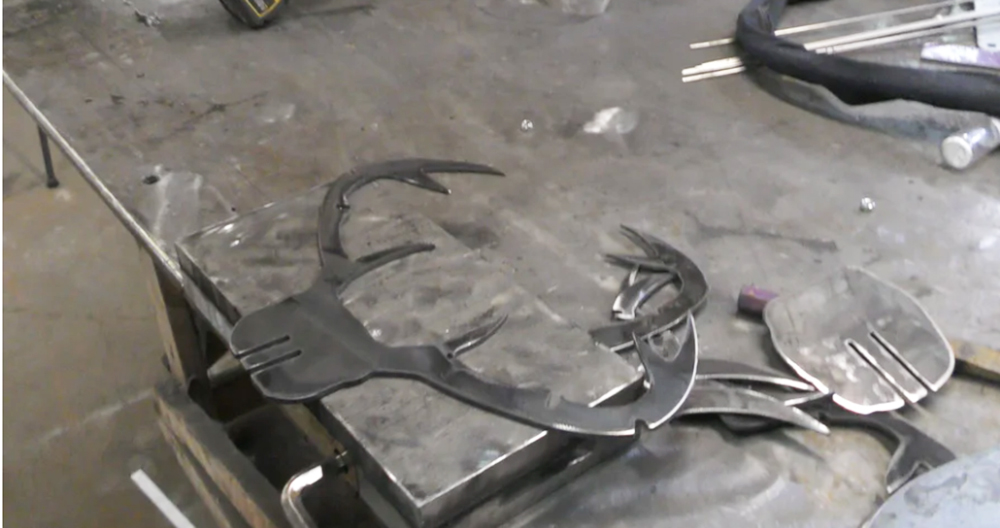
CNC Plasma Cut Deer Head
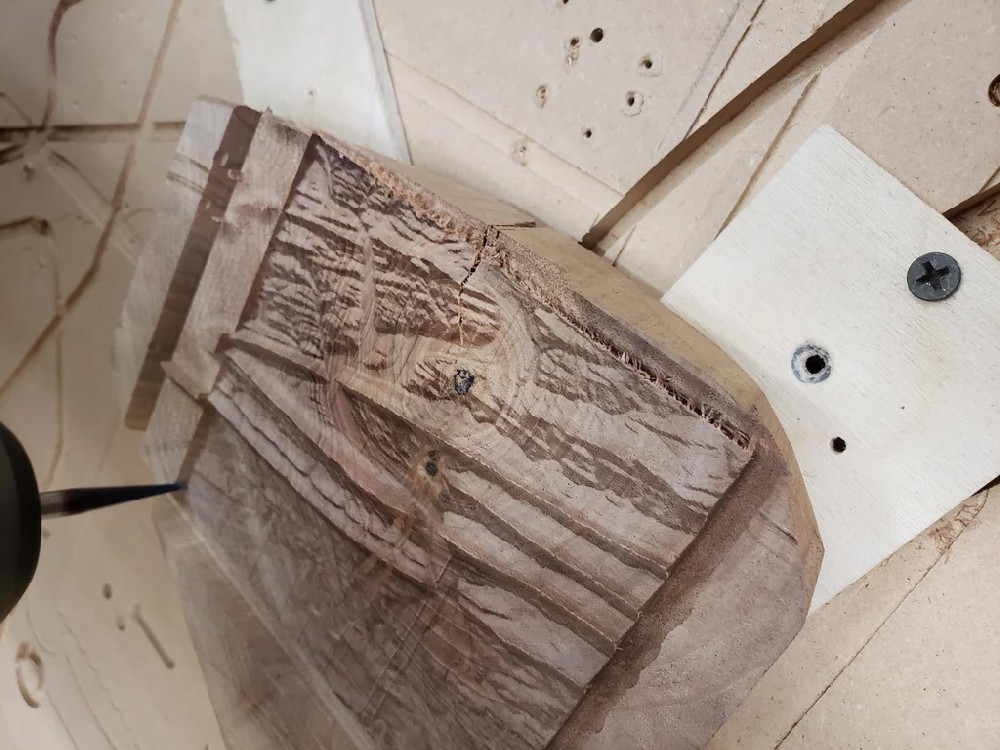
Relief Map on a CNC Router
CNC Router Bar Stool
Wood Chair Made With CNC Router
Competitive Price New Design Waterjet Machine 3 axis Cutting Machine

Typical industries that use waterjet technology
What main benefits to waterjet cutting ?
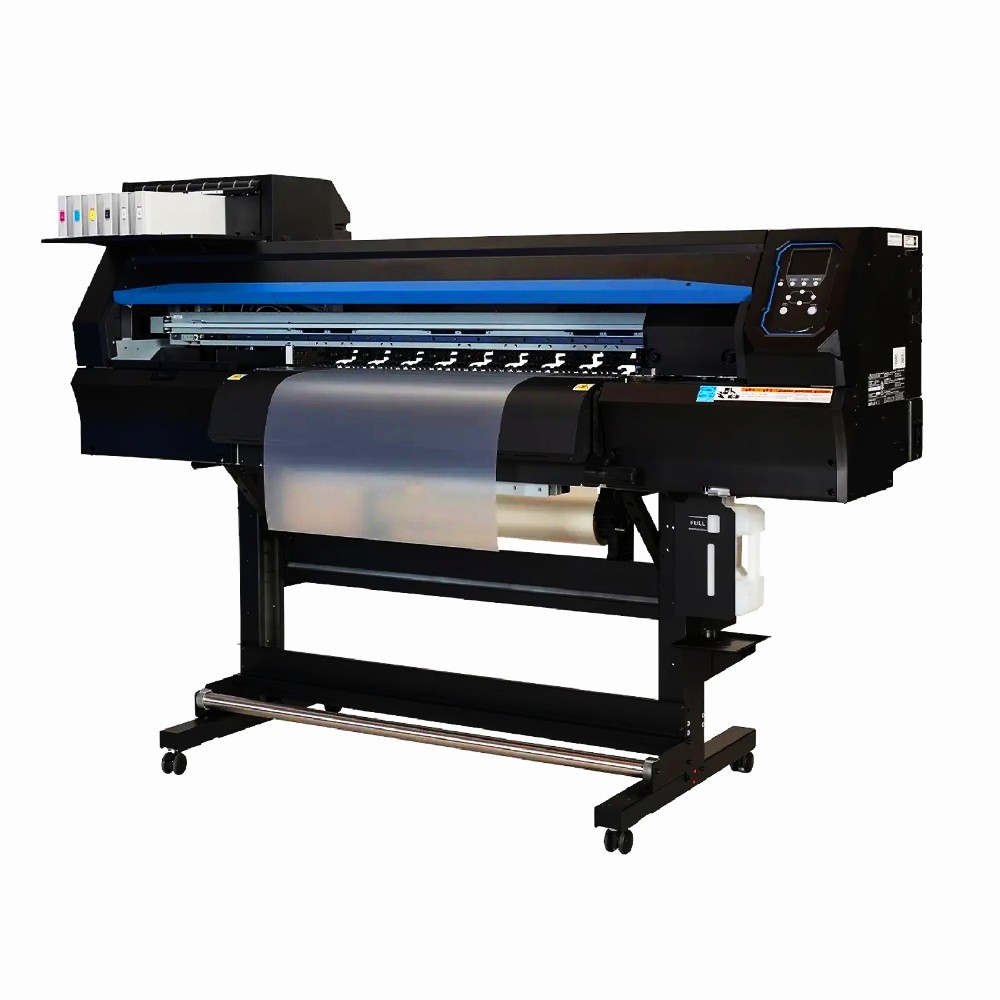
DTF Printer Machine Application
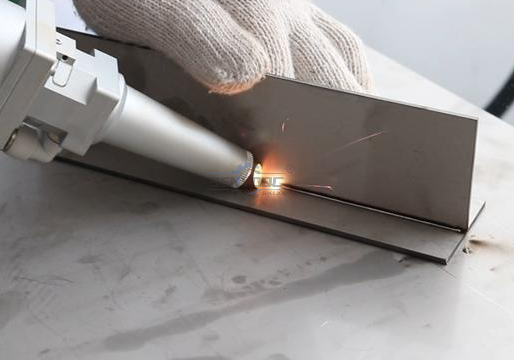
Typical fields of application
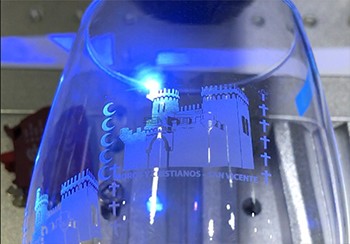
UV Laser Marking Machine For Glasses Engraving

GOLD Engraving -Fiber laser marking work
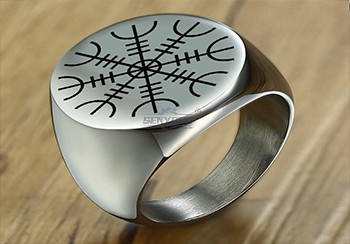
Sover Engraving -Fiber metal engraving and marking
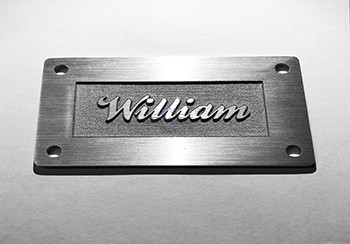
3D Marking Logo deep engraving -Fiber marking machine
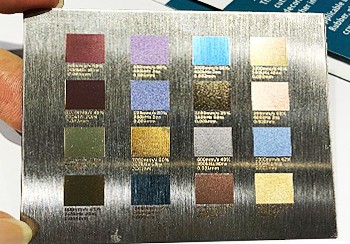
MOPA Fiber Laser Marking Machine Application and Samples

Fiber Laser Engraving and Marking Machine for Metalworking Projects
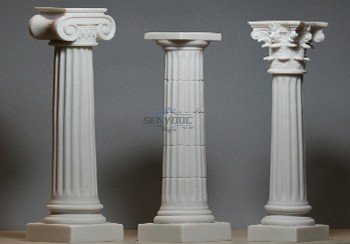
Stone shaft Rotary use engrave cnc router machine

Jacob from United States
I am a beginner at CNC, I’ve never used a CNC machine before and with in a day I was carving. An awesome machine for a beginner to learn as hobbyists. I used the manual and the help video. One hour to assemble and test, very friendly and easy to use. It’s a good buy for the money. I would definitely recommend this machine to someone getting into CNCs.
Weinstein from France
I've been using CNC plasma SYP2060-300A and I am very impressed with this unit.
This unit is of higher quality, made in China. Five stars all the way!
SYM1530 CNC Router 4 Axis from 🇨🇱 Diego Morales — Chile
We use the machine for wooden prototypes, decorative parts and 3D models. The 4-axis capability allows us to create shapes that were difficult to produce before.
SYM1325 CNC ATC Router from 🇳🇱 Pieter Jansen — Netherlands
Our production includes cabinet doors, MDF panels and solid wood components. The automatic tool changer makes repeated production much more convenient.
SYJ1325H CO2 Laser Cutter from 🇵🇹 Tiago Costa — Portugal
We use the laser mainly for acrylic letters and display products. The cutting edges are smooth and the machine is easy for our operators to handle.
SYS1530 CNC Marble Engraving Machine from 🇬🇷 Nikos Papadopoulos — Greece
We purchased the machine for marble signs and personalized monuments. Portrait engraving and lettering are much faster compared with our previous manual process.
CNC Router with Rotary Axis SYM1325-4th Axis from 🇧🇦 Marko Kovačević — Bosnia
We process wooden columns and decorative cylindrical parts. The movable rotary axis gives us more possibilities without purchasing another dedicated machine.
SYM2040 CNC Wood Router from 🇷🇸 Nikola Petrović — Serbia
We make custom wooden doors and furniture decorations. The router handles detailed patterns well and has become an important machine in our workshop.
SYS1530 CNC Stone Carving Machine from 🇷🇴 Andrei Popescu — Romania
We use the machine for marble lettering and religious monuments. The engraving depth is consistent and the machine structure feels very stable.
CNC Router SYM1530 from 🇨🇿 Jan Novák — Czech Republic
The large 1500×3000mm working area is exactly what we needed for full-size boards. We mainly cut plywood and decorative MDF panels. Thanks Senyo team!


Jinan Senyo Machinery Co., Ltd

 manager@senyocnc.com
 SENYOCNC
 +86 1525 3141 880
 +86 1525 3141 880
 2061579344
