CNC Router Manufacturer in China | SENYO Machinery


 +86 1525 3141 880

From: 本站 Date: 06th September 2021 Author: shengangtong Views: 2006


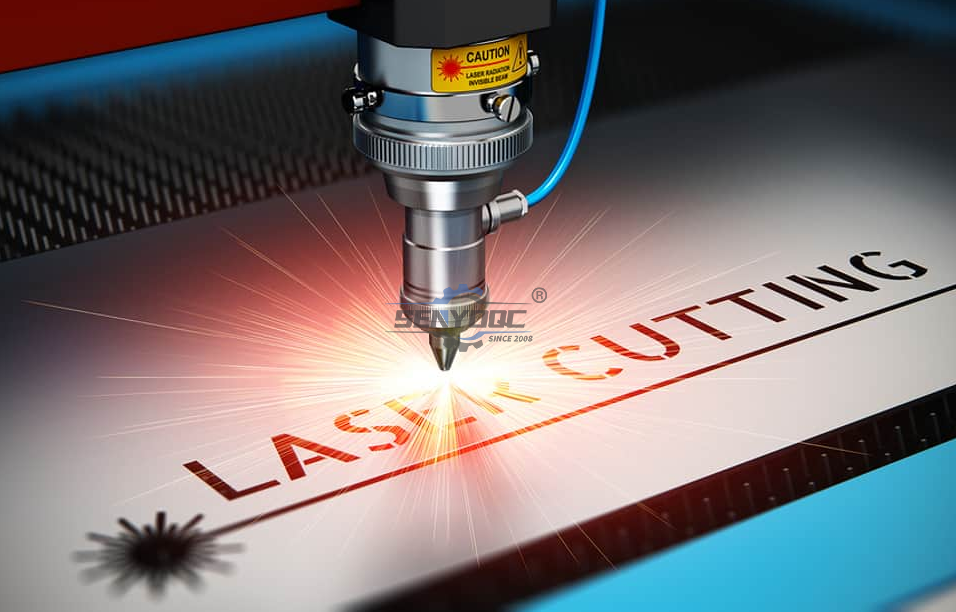
Fiber laser cutting machine, with laser wavelength of 1070-1080nm, can cut different kind metals, like stainless steel, carbon steel, aluminum sheet, brass, copper, galvanized plate, etc.
Different thickness CS need different laser watt. Below the Max cutting thickness of different watt, for CS Cutting:
| Material | Cutting machine watt | Max cutting thickness |
| Carbon steel | 500w | 6mm |
| Carbon steel | 750w | 8mm |
| Carbon steel | 1000w | 10mm |
| Carbon steel | 1200w | 12mm |
| Carbon steel | 1500w | 16mm |
| Carbon steel | 2000w | 20mm |
| Carbon steel | 3000w | 22mm |
The laser power is one of the most important factors, in the laser treatment of different materials, as well as CS Cutting.
Also, a lower power laser beam is utilize when we want a greater cutting precision. On the other hand, thicker and more durable materials require a higher powered laser beam. For example, an 8mm metal sheet requires at least 1000 watts to cut effectively.
The pulse frequency is somewhat proportionally link to the laser beam power.
Modern lasers offer sophisticated control features for the laser cutting process
that allow for automatic increase or decrease of the pulse frequency according to the material at hand.
Each material requires a specific type of gas to use the laser
in order for the machining to effective and safe. The wood which is flammable excludes the use of oxygen for example because there would be a fire hazard. Oxygen on the other hand, is use when cutting metal surfaces which are free of oxides.
The gas type is not the only factor that comes into play. The quality of the gas is equally important. Different purity versions of the same type of gas, affect differently the cutting process both time- & quality-wise.
The pressure of the laser gas is another important factor to keep in mind. The gas pressure is influence he thickness of the material to cut. The thinner the material, the lower the gas pressure or there is a risk of damaging the material and the laser device itself.
The cutting nozzles significantly influence the laser cutting process. For example, when we have to deal with low-pressure laser cutting, smaller nozzles are require. Conversely, when the material machining calls for a higher-pressure cut, then we need to use larger nozzles.
The distance of the nozzles from the cutting surface plays an important role in the quality of the final laser cut result. As a rule of thumb, the shorter the distance between the tip and the surface, the more precise and higher-quality cut we have.
That being said, in several occasions it is advised to increase the distance in order to prevent damage to the equipment.
The focus lens needs to be clean and in perfect condition at all times. If there are pollution traces on the lens, then the laser cutting process is hindered and the results are of lower quality. Furthermore, a dirty focus lens is the main culprit for increased temperatures that may harm the laser device.
Hope the above can help you in your metal sheets cutting process, especially in CS Cutting.
Any question about fiber laser cutting, welcome to contact us.
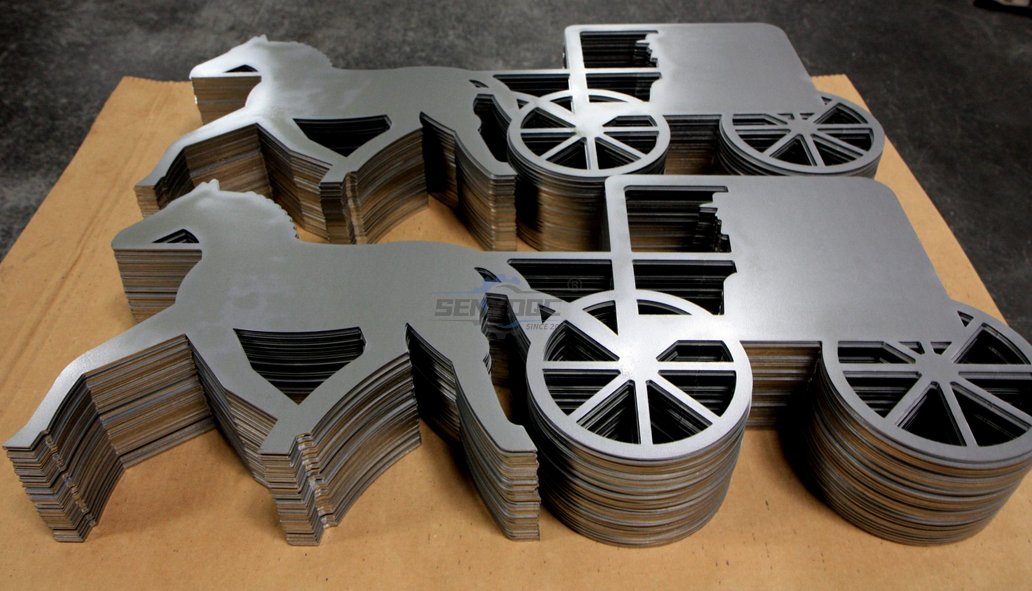
• Previous: Stainless steel Fiber Laser Cutting
Mini Desktop CNC Router for Gifts Making Small Business
Best Granite marble manual polishing machine For Sale
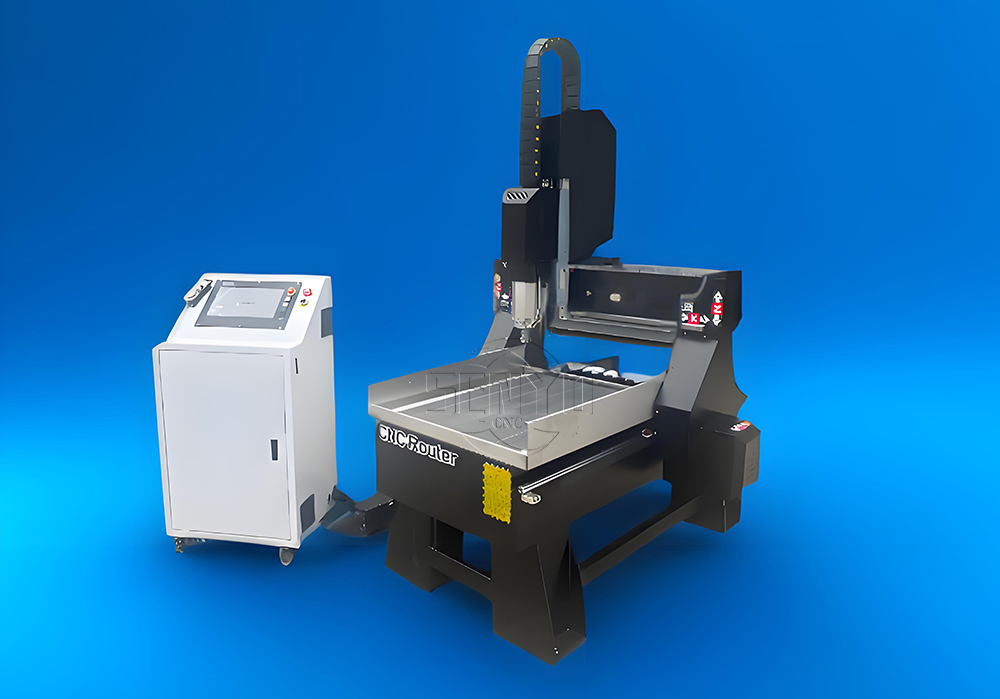
Stone Processing CNC Equipment Automatic Tool Changer CNC Quartz Stone Machining
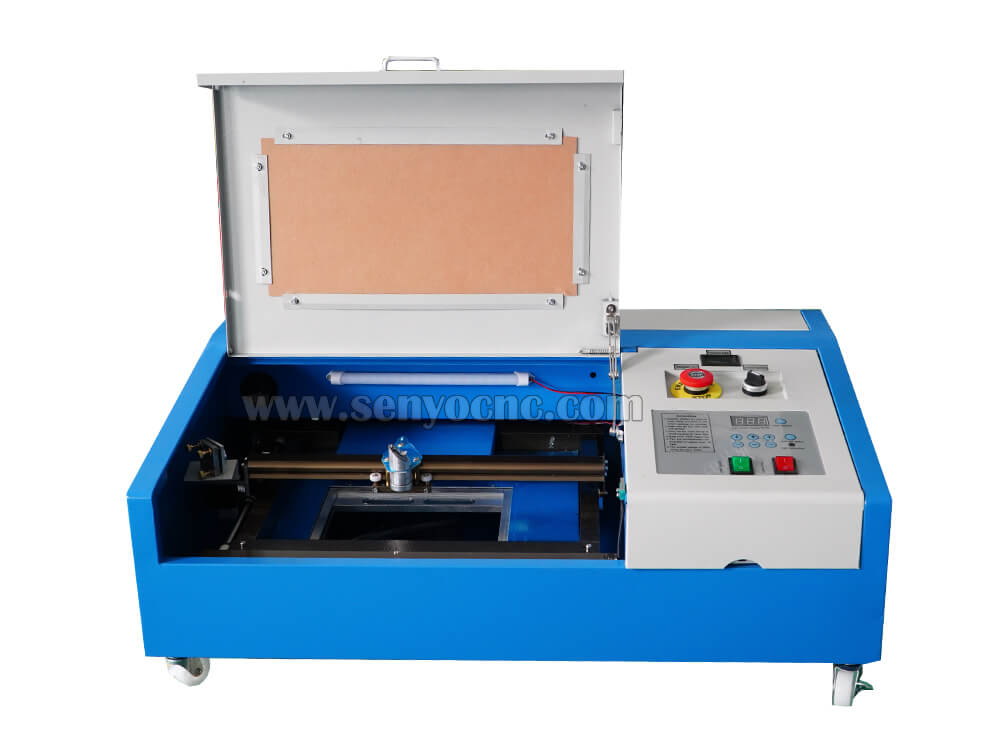
3020 40W Mini CO2 Laser Engraving Cutting Machine
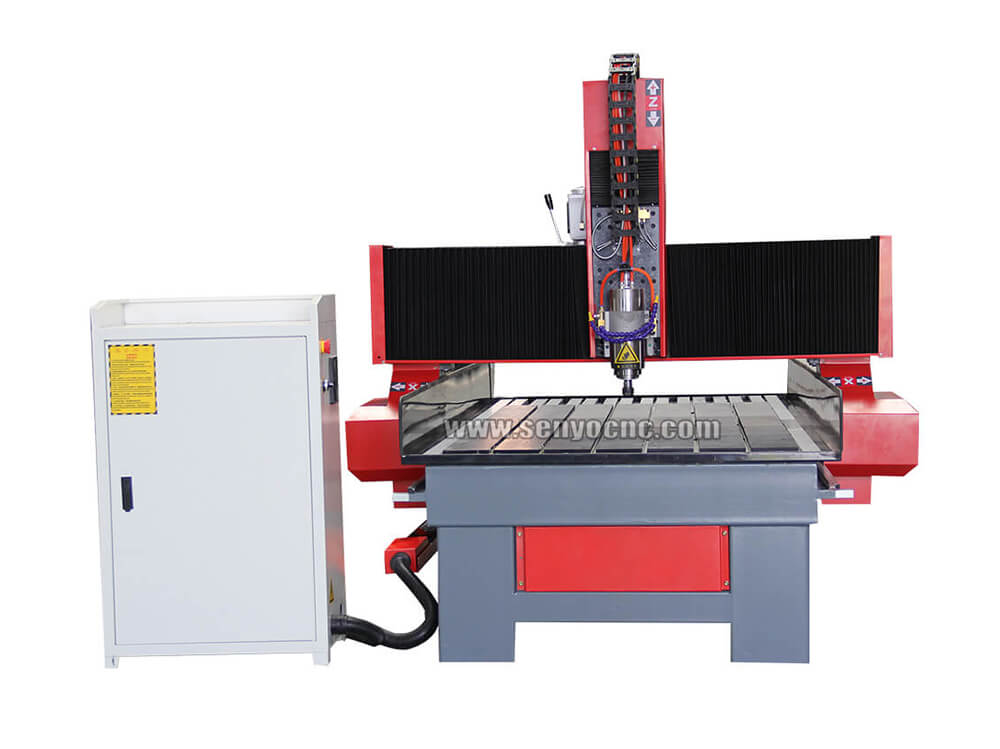
New Design Mini Stone CNC Machine for Marble, Granite and Quartz
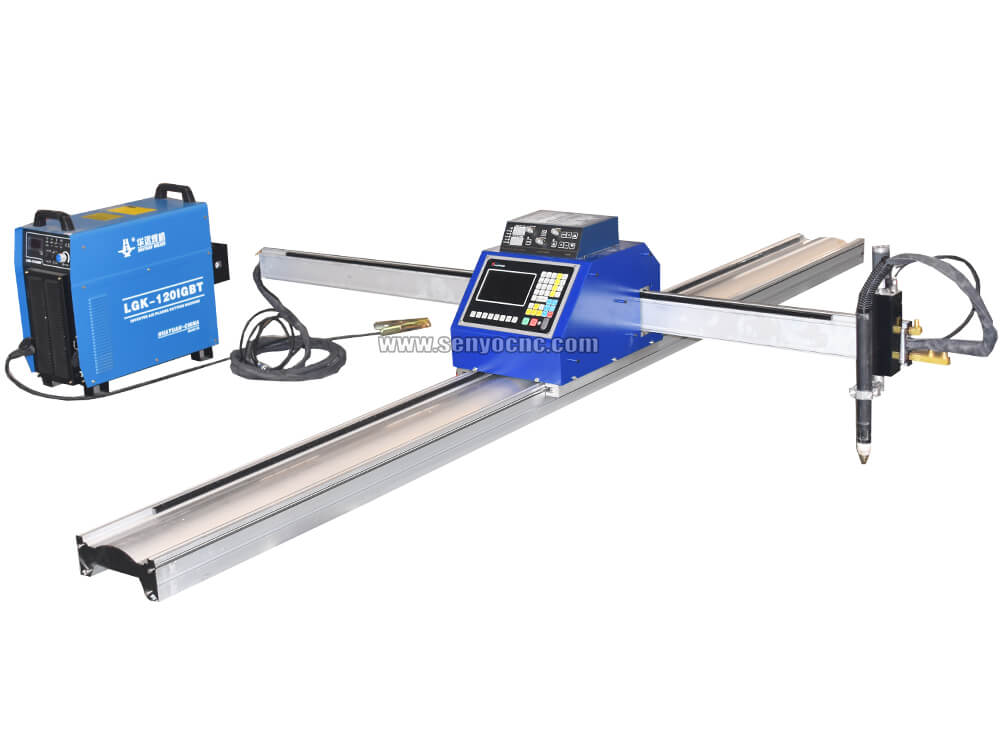
Portable CNC Flame Cutting Machine with Plasma Torch for Sale
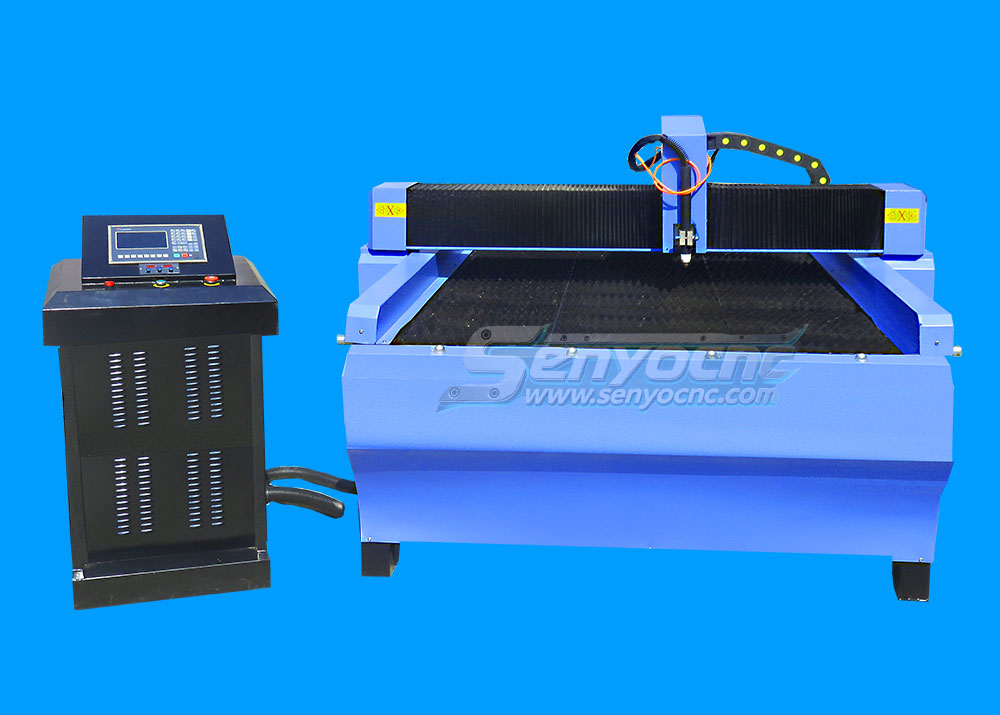
High-Precision Mini Hobby CNC Plasma Cutting Machine for Metal
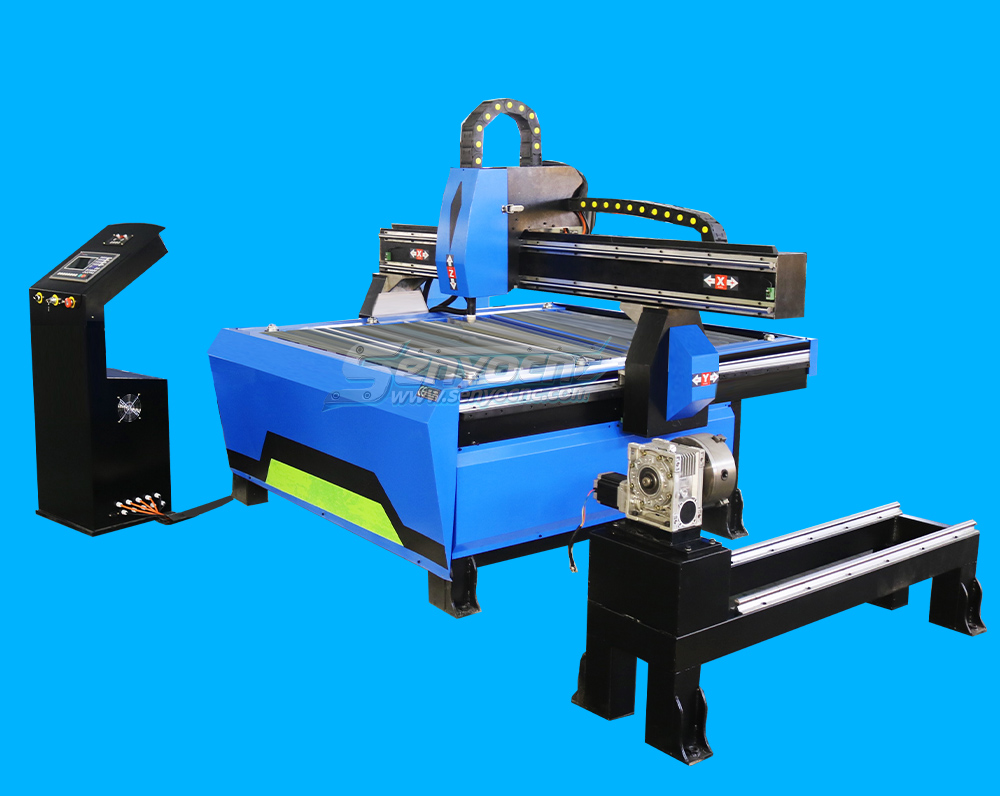
Mini CNC Plasma Cutter With Rotary
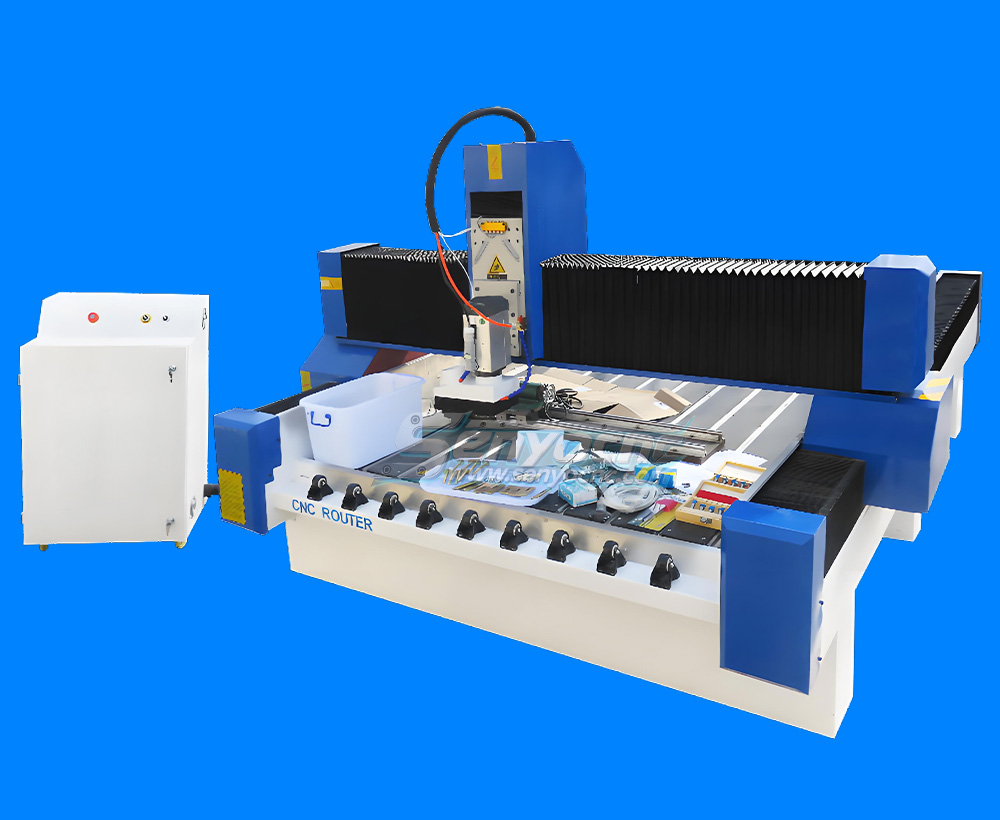
4 Axis 1325 Sculpture Machine Cnc Carving Marble Granite Stone Cnc Router
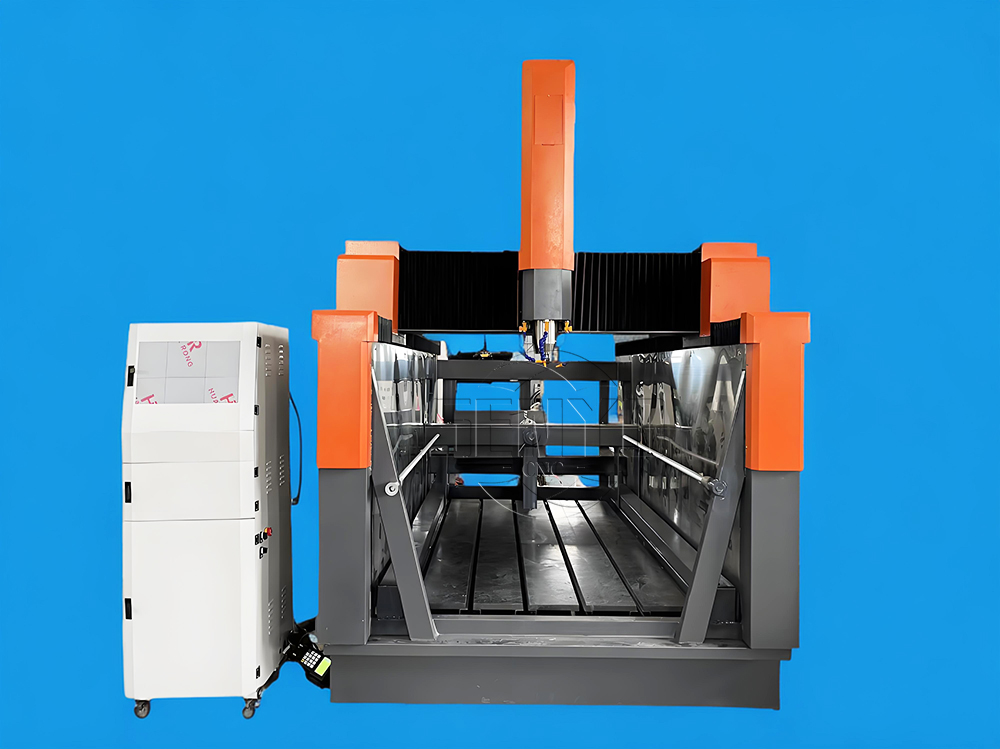
Z Height 1000MM 4-AXIS Stone Engraving CNC Machine Heavy-duty Stone CNC Machine Stone Relief Carving CNC For Sale
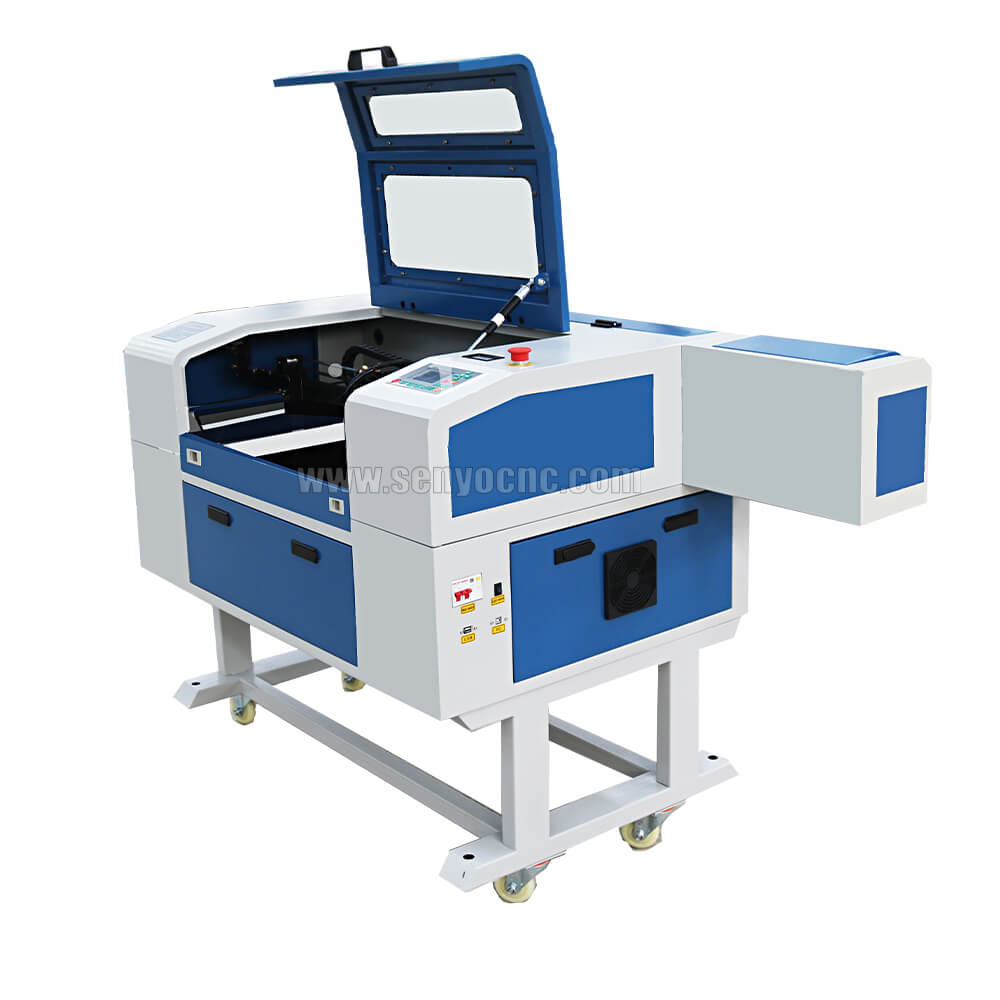
4030 portable mini co2 laser carving and desktop rubber stamp laser engraving machine
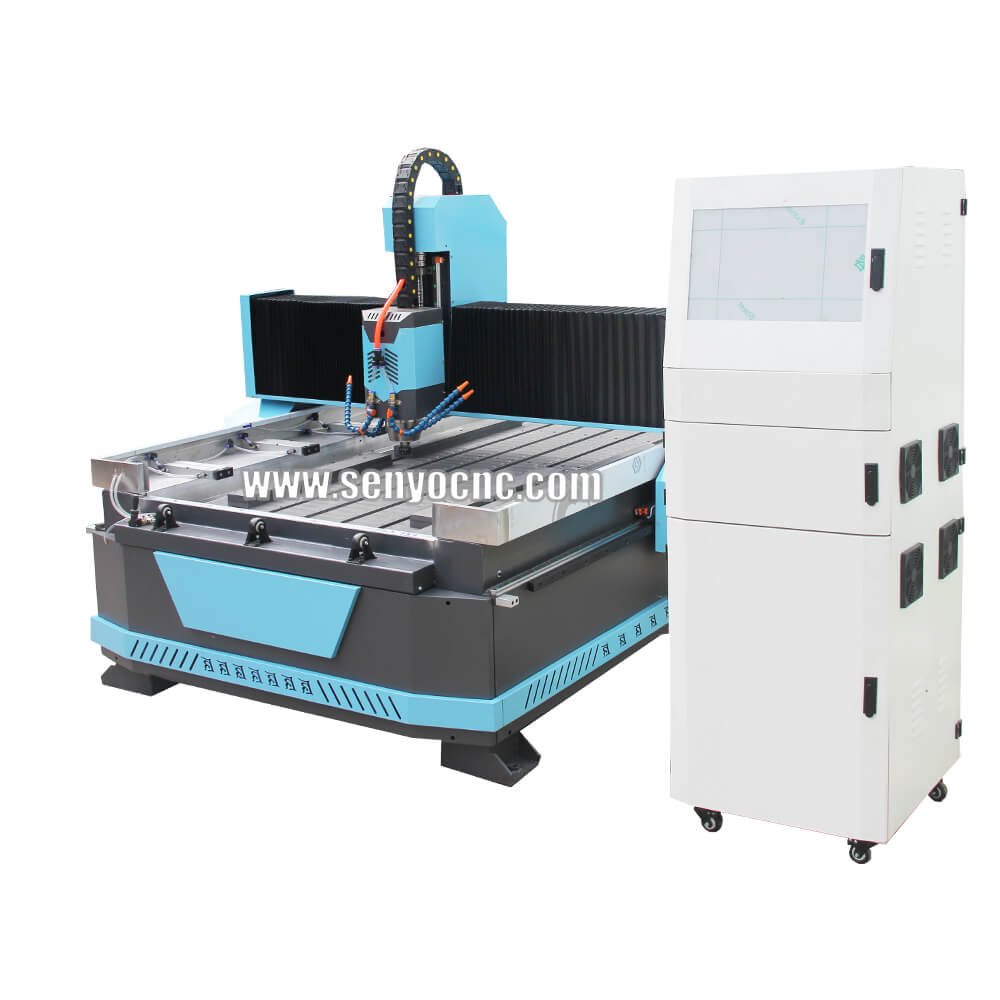
Stone CNC Router For Kitchen sink tile carving and cutting Marble, Granite and Quartz
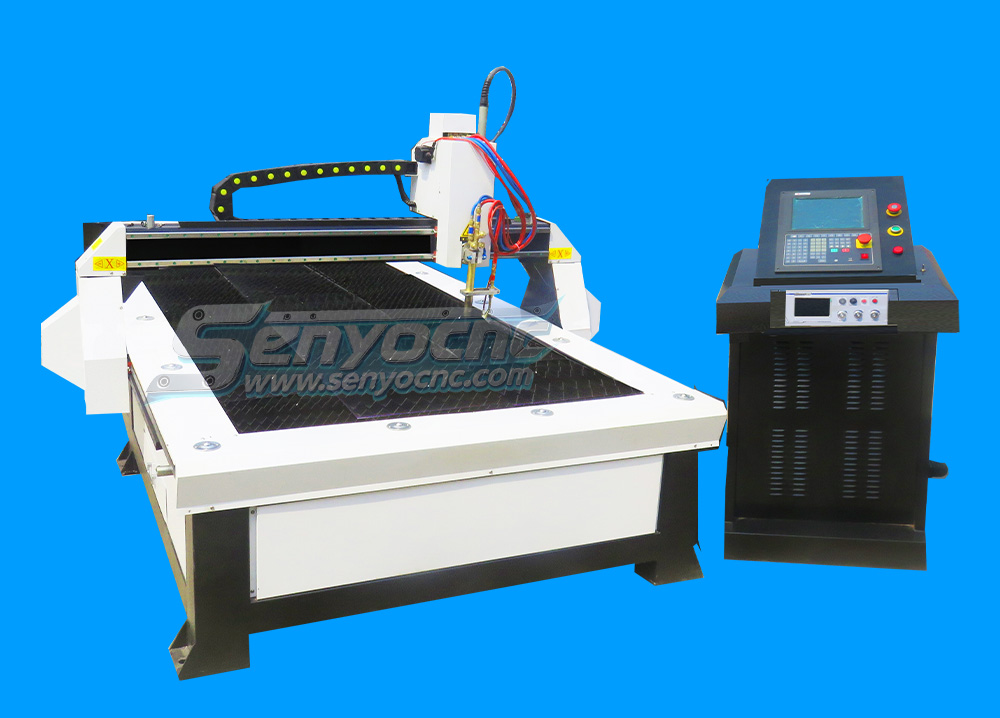
Robust CNC Plasma Cutting Machines with Flame Cut Head for Heavy-Duty Industrial Use
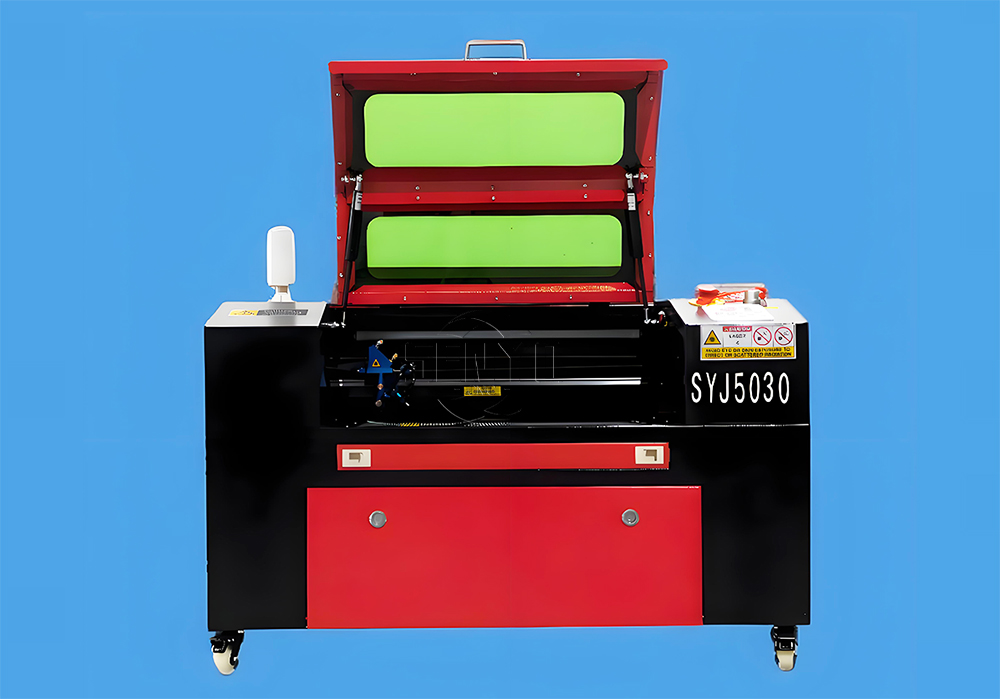
Small Portable CO₂ Laser Cutter Engraving for DIY & Business – Ideal for Wood, Acrylic, Leather
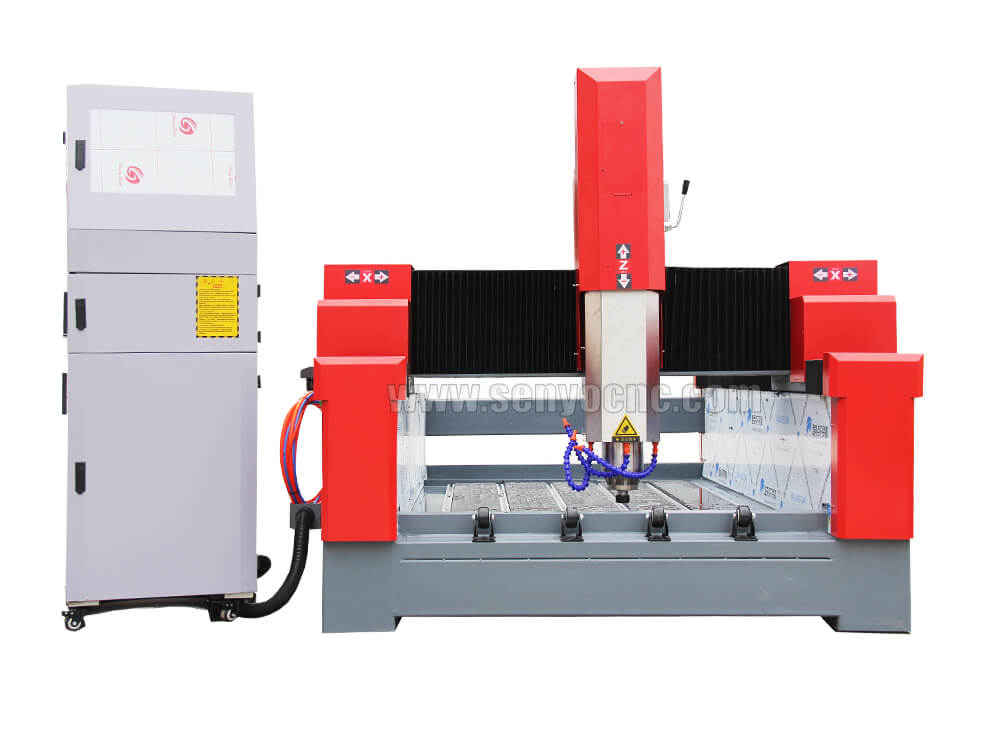
1325 3 Axis 4x8 CNC Stone Router for Sale
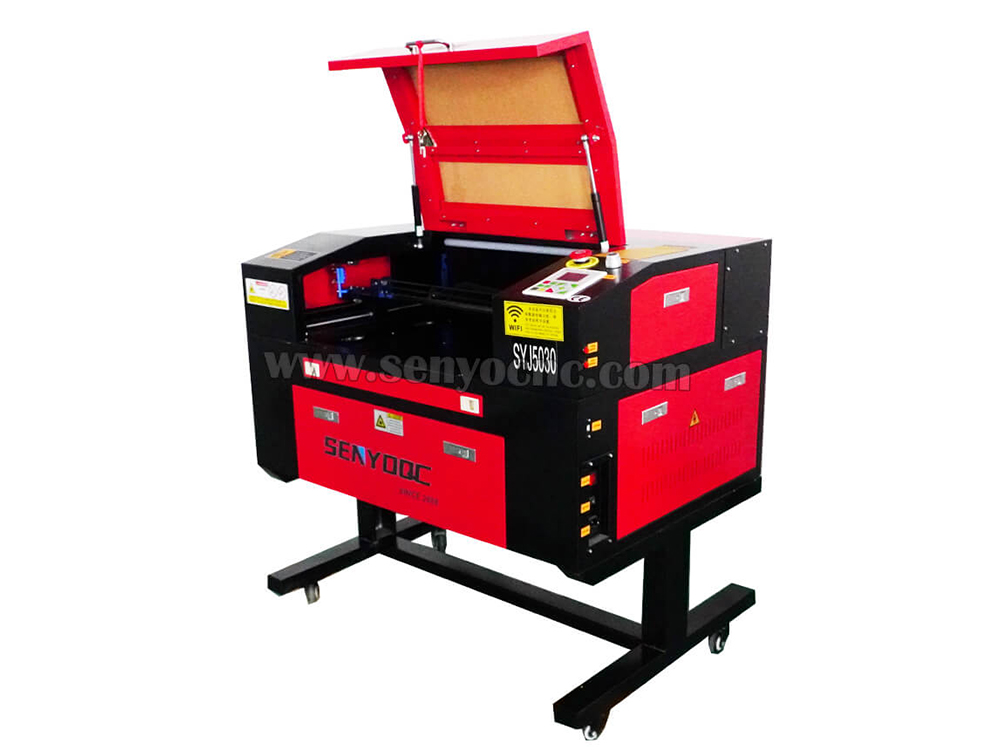
Mini CO2 Laser 5030 Cutting Engraving Machine For Sale
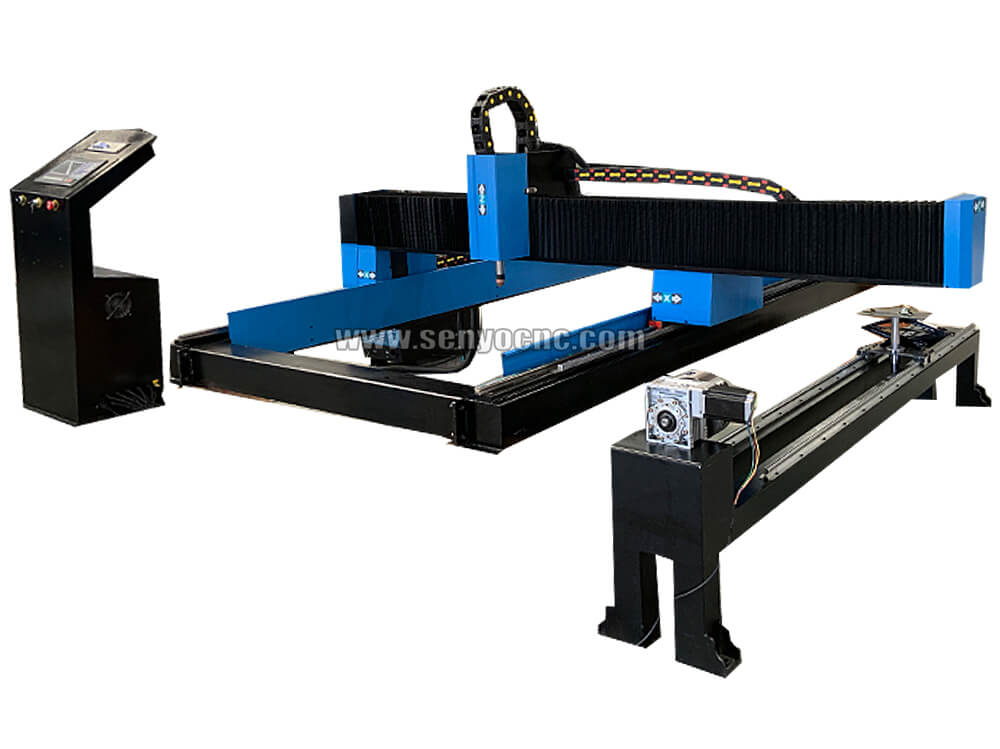
Portable CNC Plasma Flame Cutting Machine for Sale at Cost Price
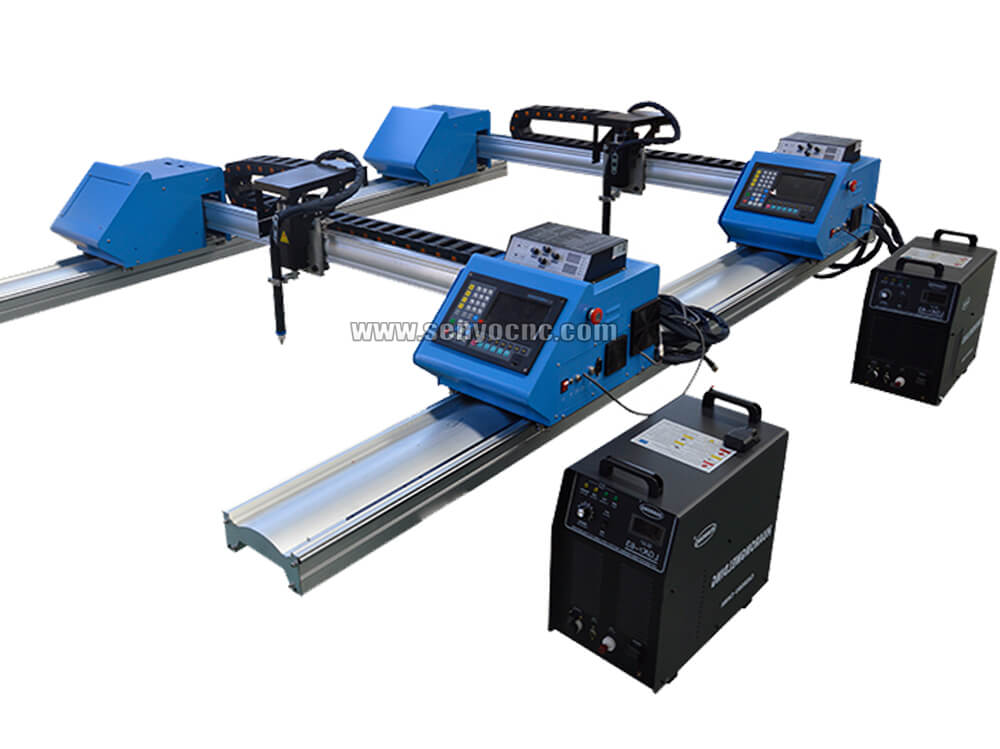
Portable Cnc Plasma Oxyfuel Sheet Metal Cutting Machine for sale
CNC Plasma Cutters for Customized Metalwork –Rotary&Drilling Head
Small Table design 6040 Easy Move CO2 Hobby Laser Cutter Machine for Beginners
High-Efficiency 2 Heads CNC Machine for Aluminum Stone Marble Engraving & Cutting
Best CNC 2 Spindle 4-AXIS Stone Carving Machine High-precision Stone Carving Stone Countertop Fabrication
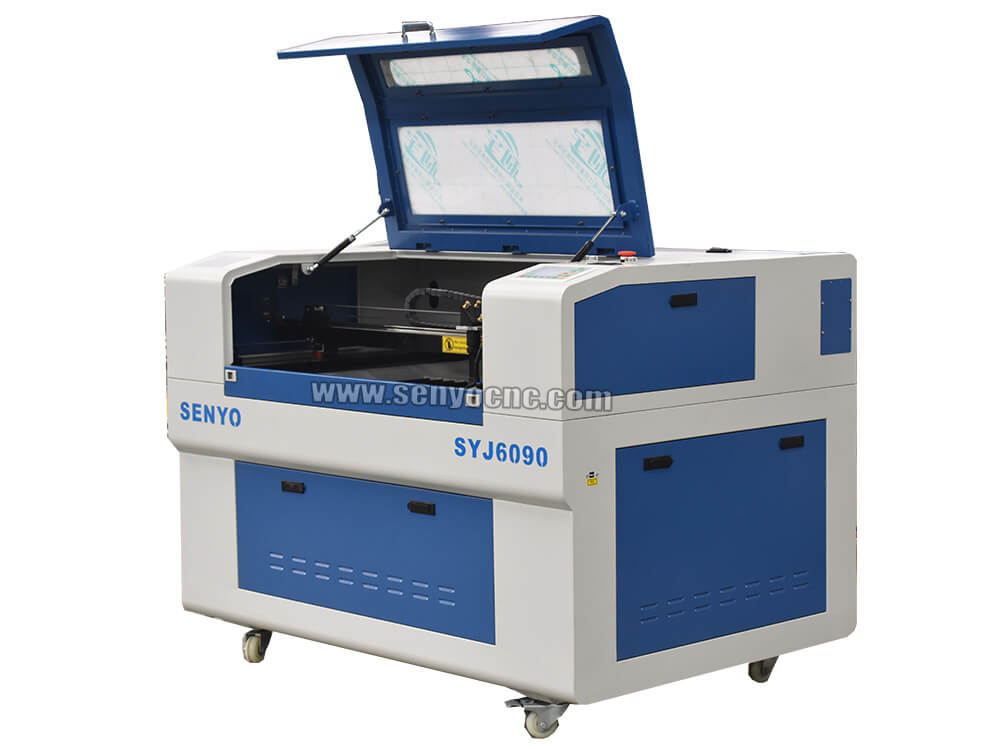
Top Rated 2x3 CO2 Hobby Laser Cutting Machine for Sale at Affordable Price
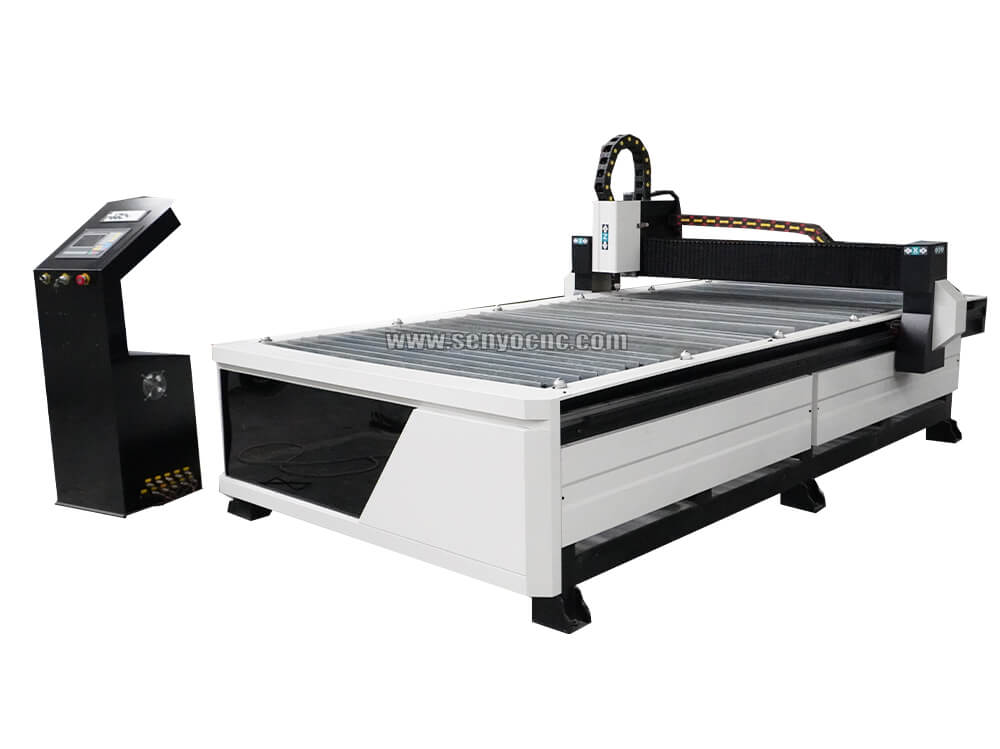
Best 4x8 CNC Plasma Cutter Table for Sale at Affordable Price
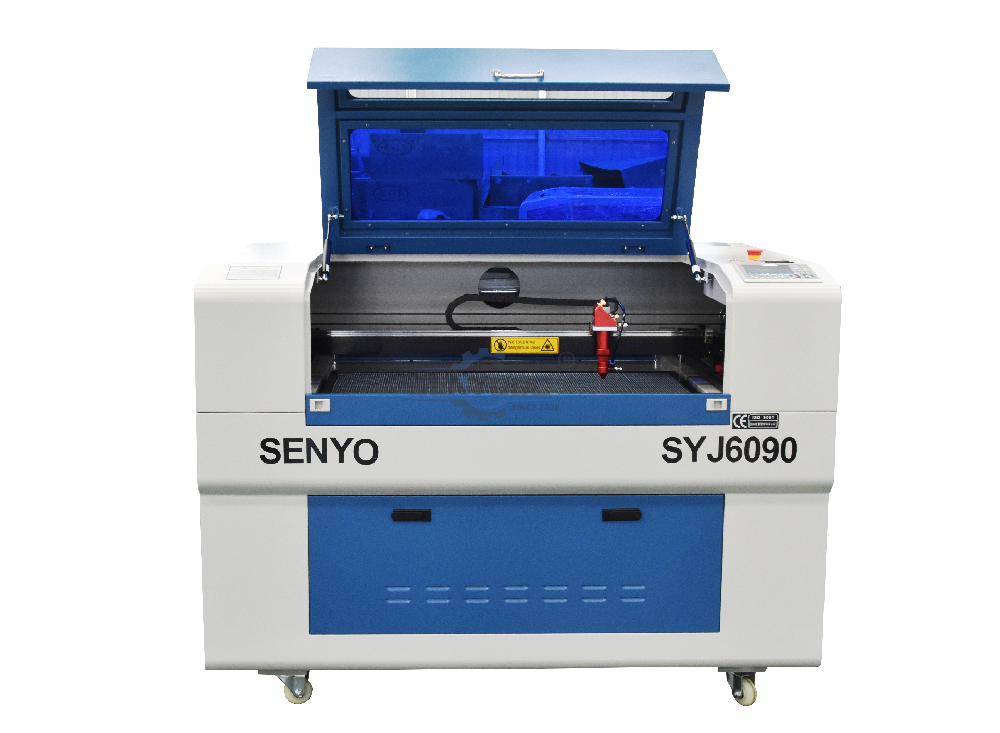
Entry Level CO2 Hobby Laser Cutter Machine for Beginners
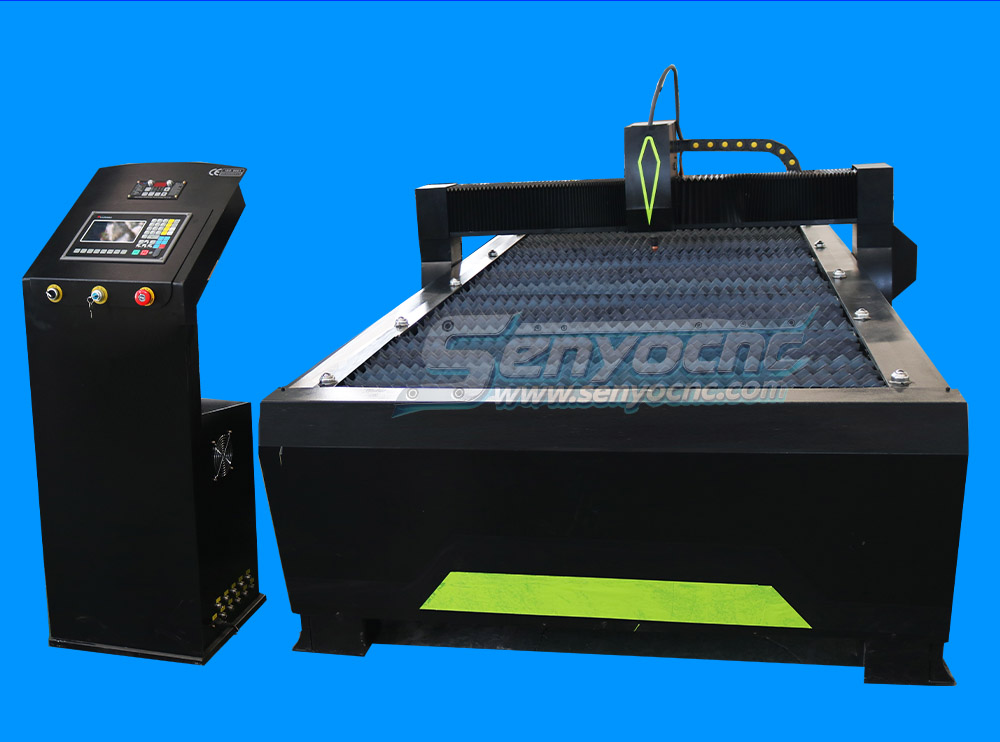
Top CNC Plasma Cutters for Automotive, Aerospace, and Manufacturing Industries
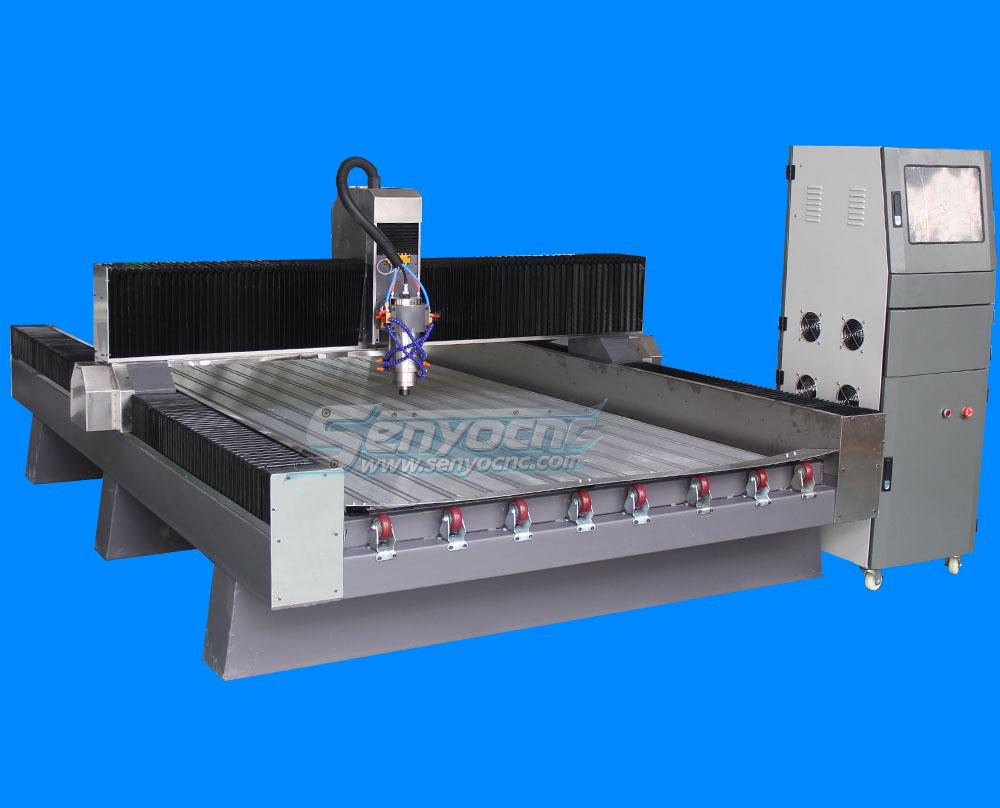
Precision Stone Engraving Machines for Memorials & Signs
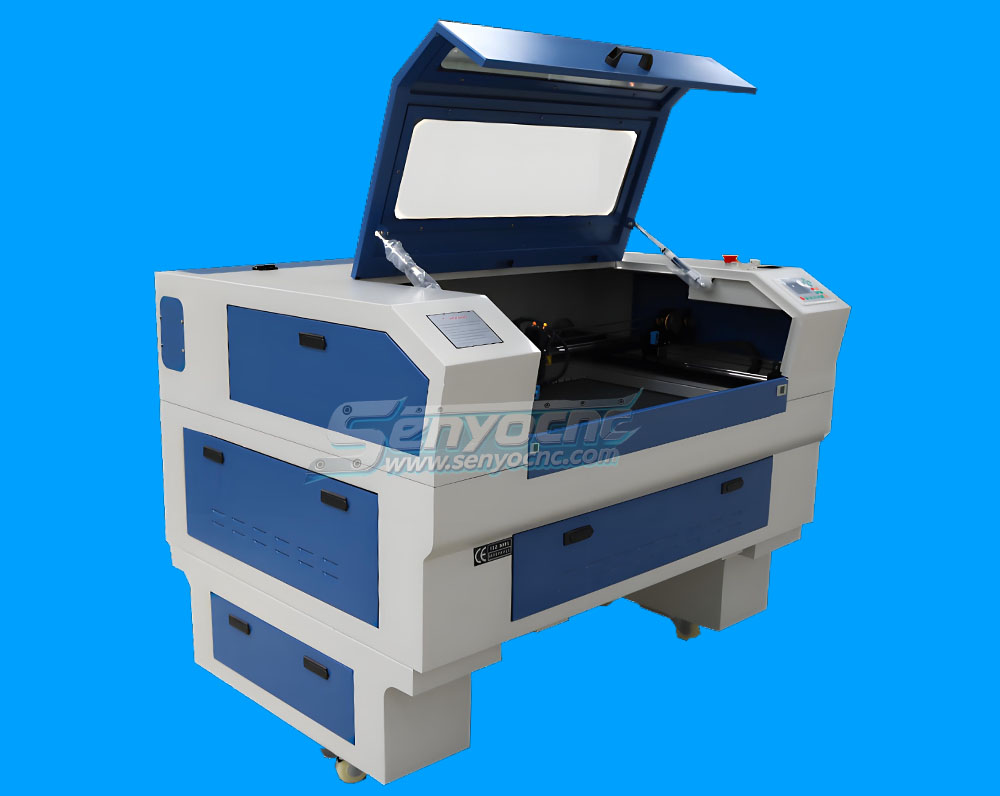
Portable Co2 9060 Laser Nonmetal Cutting Engraving Machine
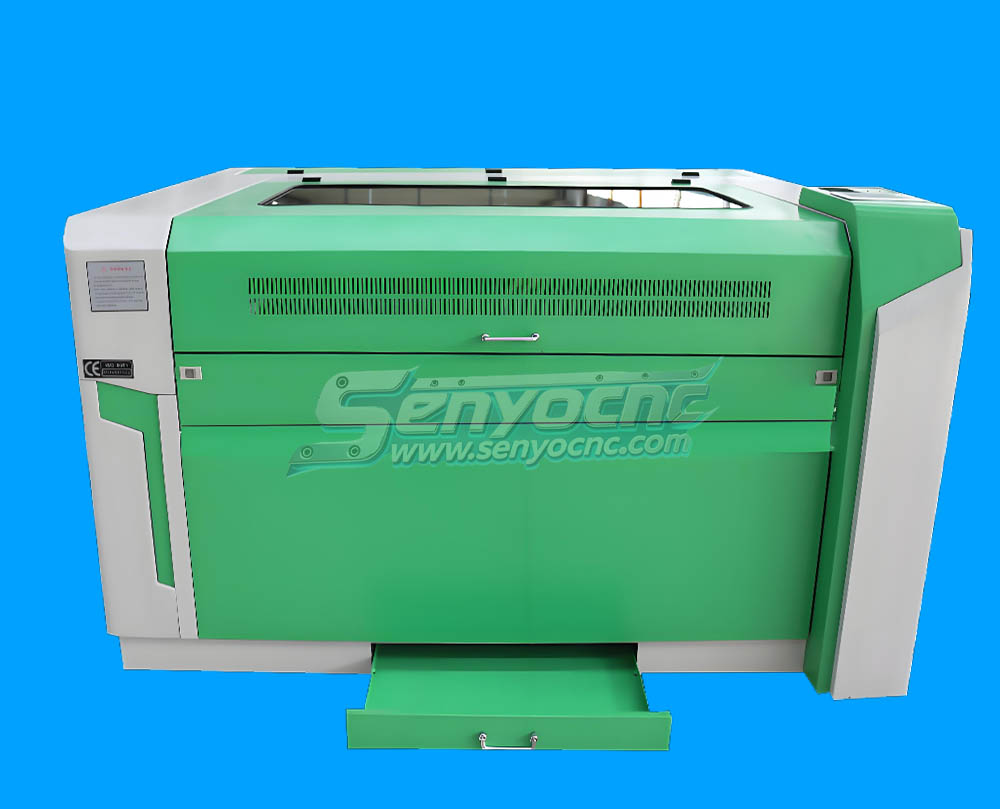
1090 CO2 Laser Machine with Ruida Controller for Non-metal Glass Acrylic Engraving Cutting
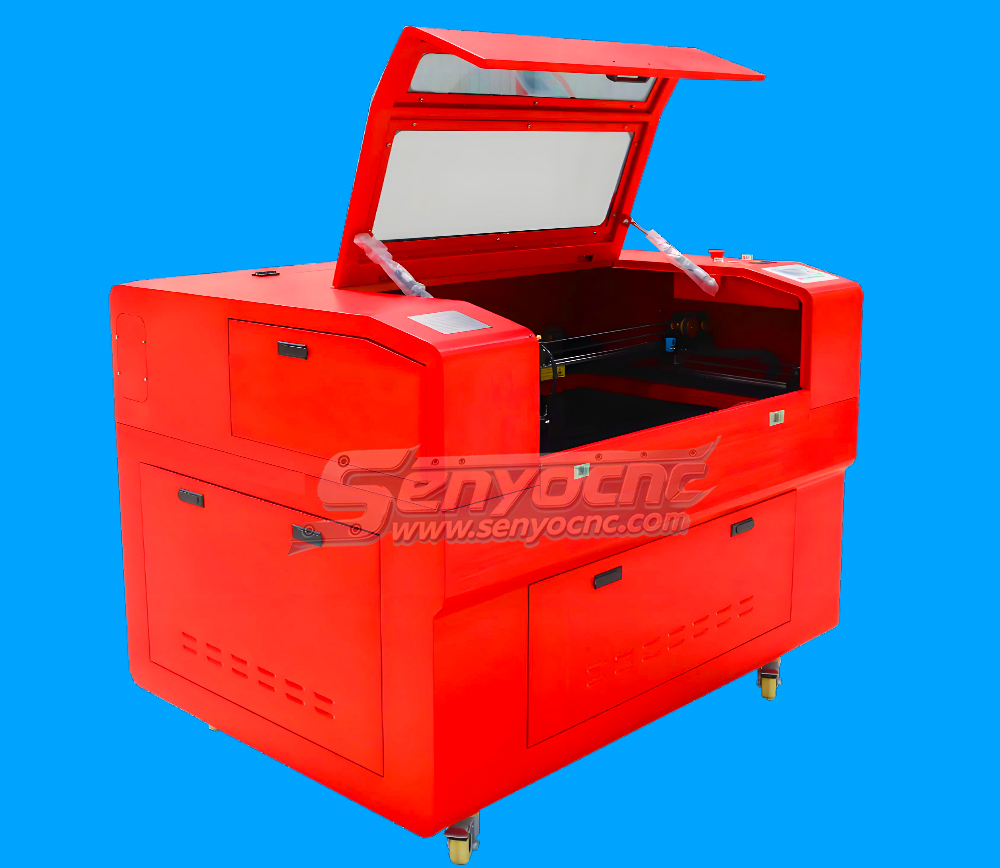
Entry Level 9060 CO2 Hobby Laser Cutter Machine for Beginners
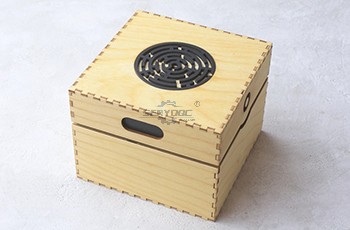
The Apprentice Maze Puzzle Box
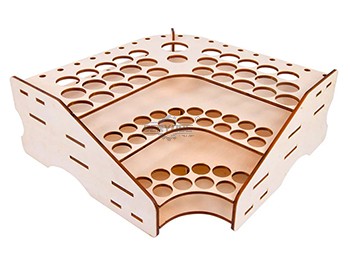
Box laser cutting software share
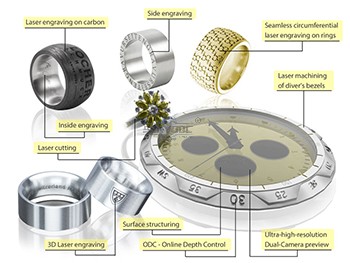
laser marking and engraving for the jewelry industry
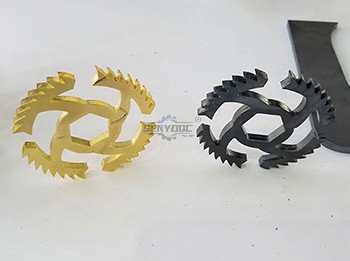
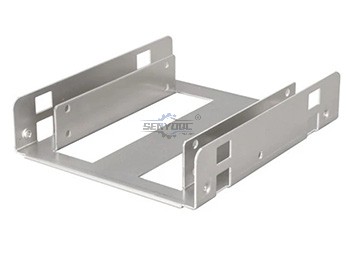
Copper cutting for fiber laser cutting machine
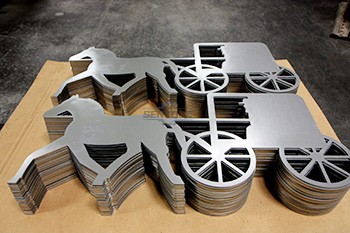
Aluminum Cutting for fiber laser cutting machine
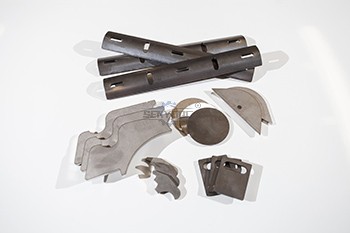
CS Laser Cutting Factors that Affect the Process
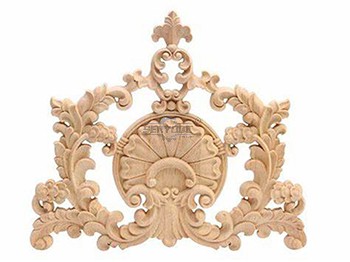
Stainless steel Fiber Laser Cutting
2d&3d wood MDF carving and cutting
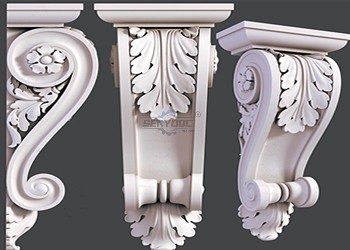
3D CNC Router for Stone Relief Carving Projects
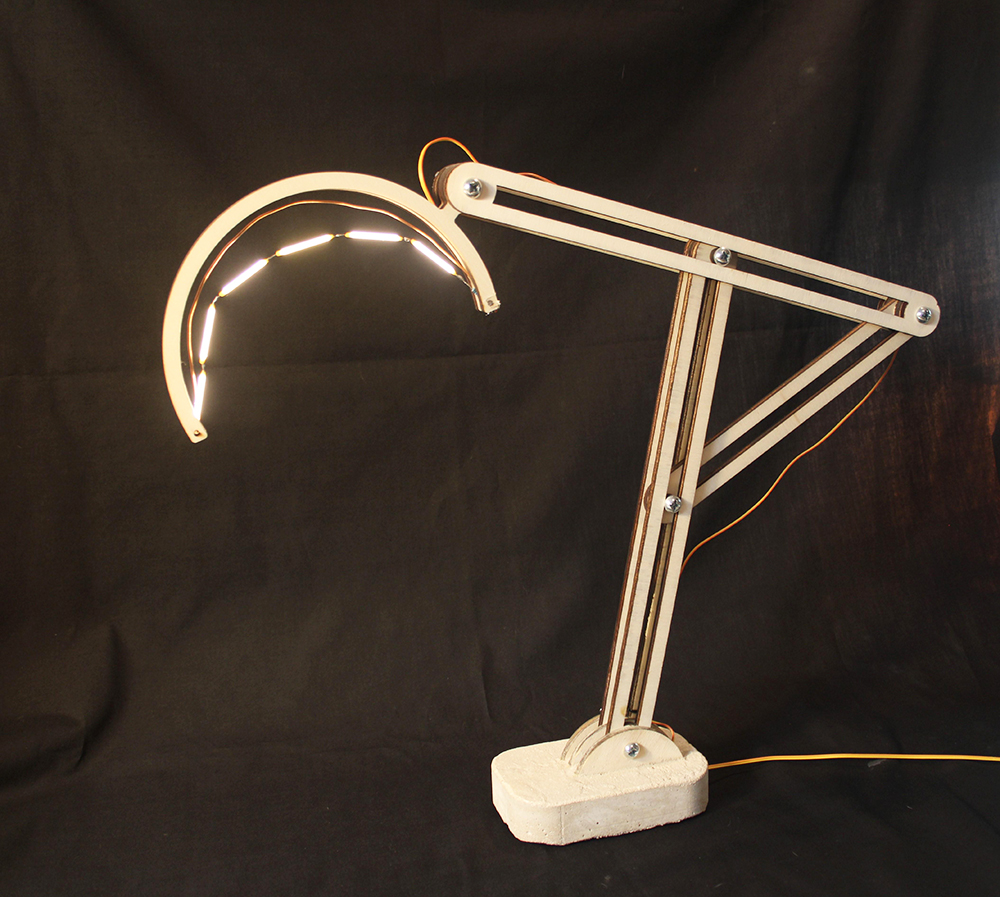
Laser Cut Adjustable Table Lamp
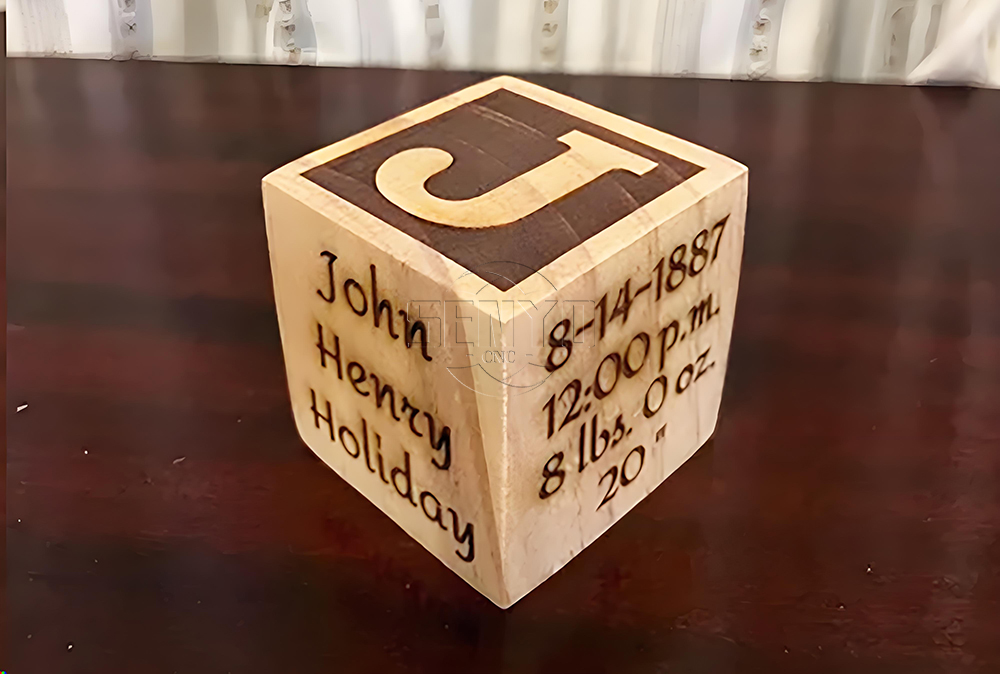
CO2 Laser cutting Baby Birth Block
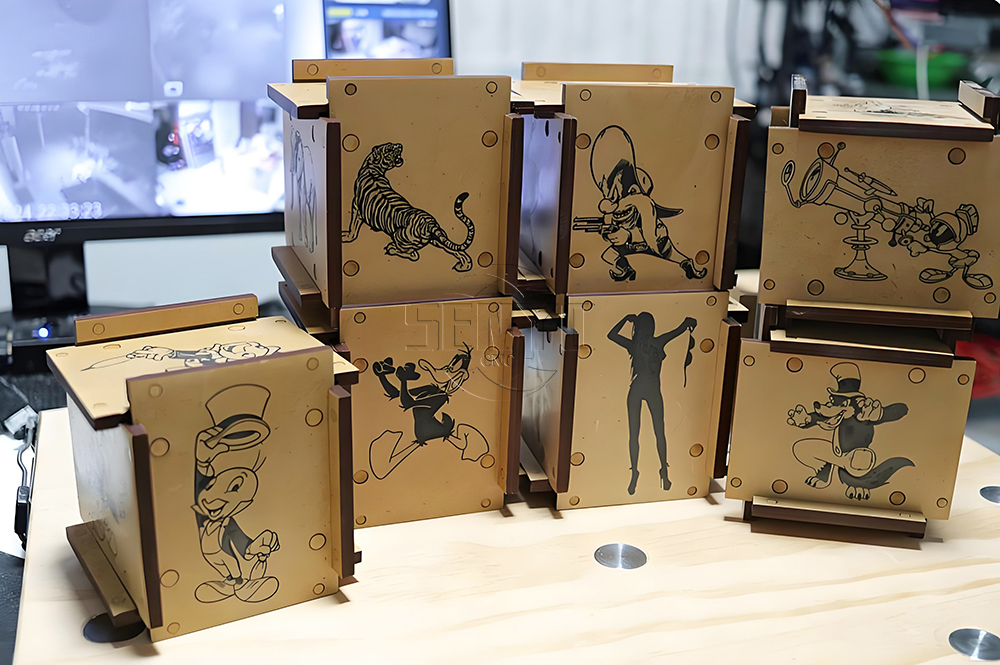
CO2 laser cutting and engraving for 6 Sided Box Puzzle
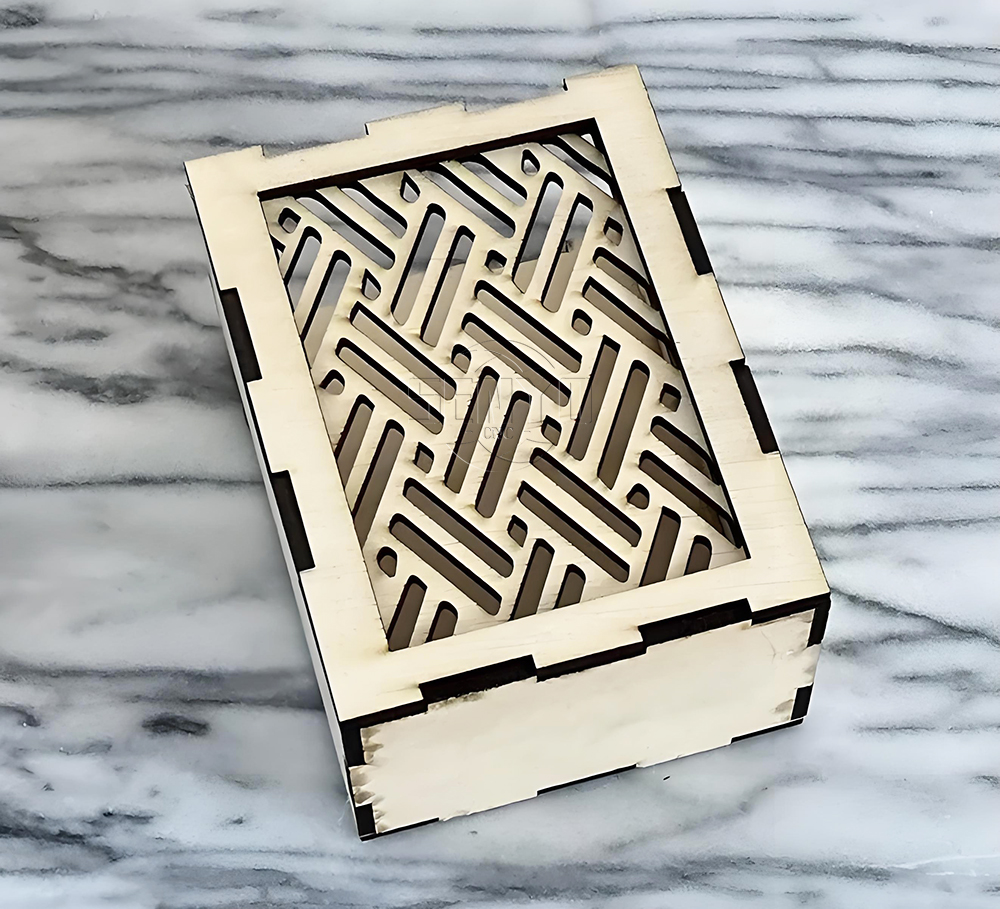
Co2 laser wood cut Illuminated Pattern Box
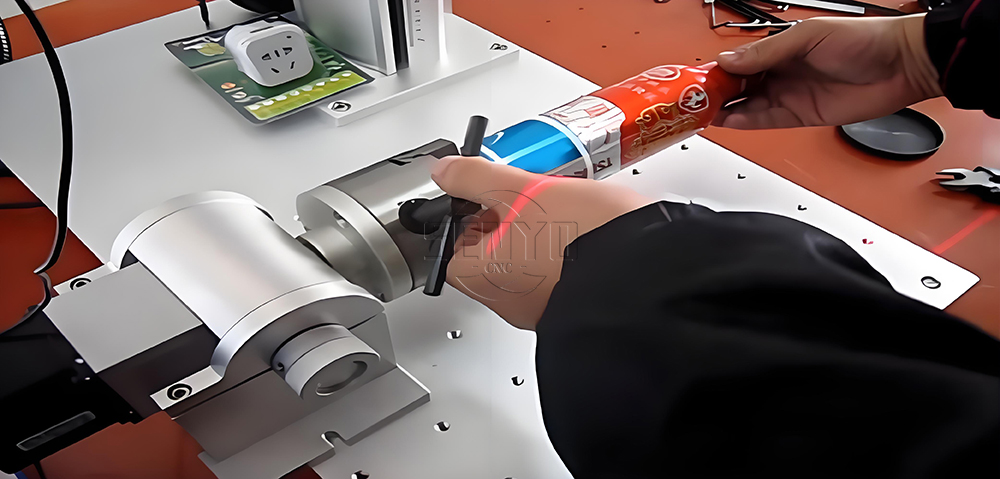
Engrave Round Parts With 50W Fiber Laser Marking Machine
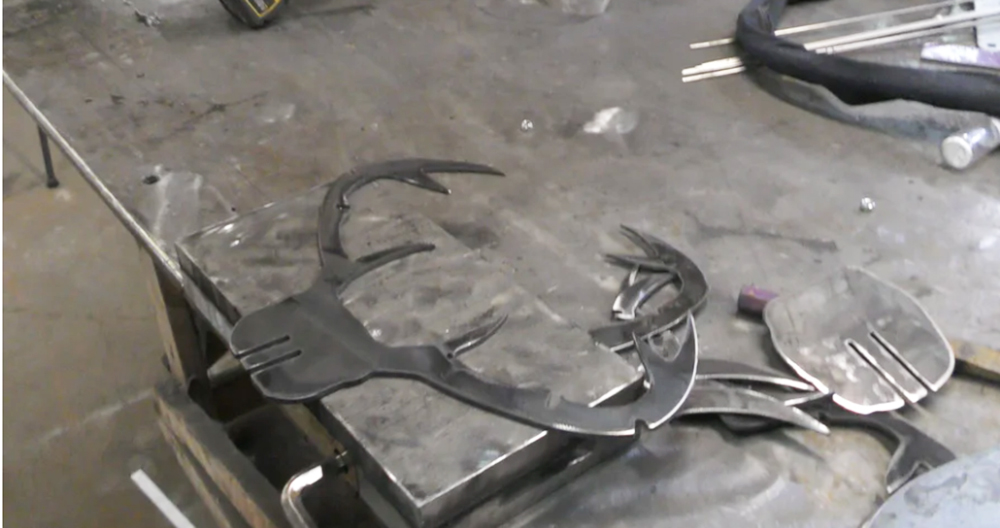
CNC Plasma Cut Deer Head
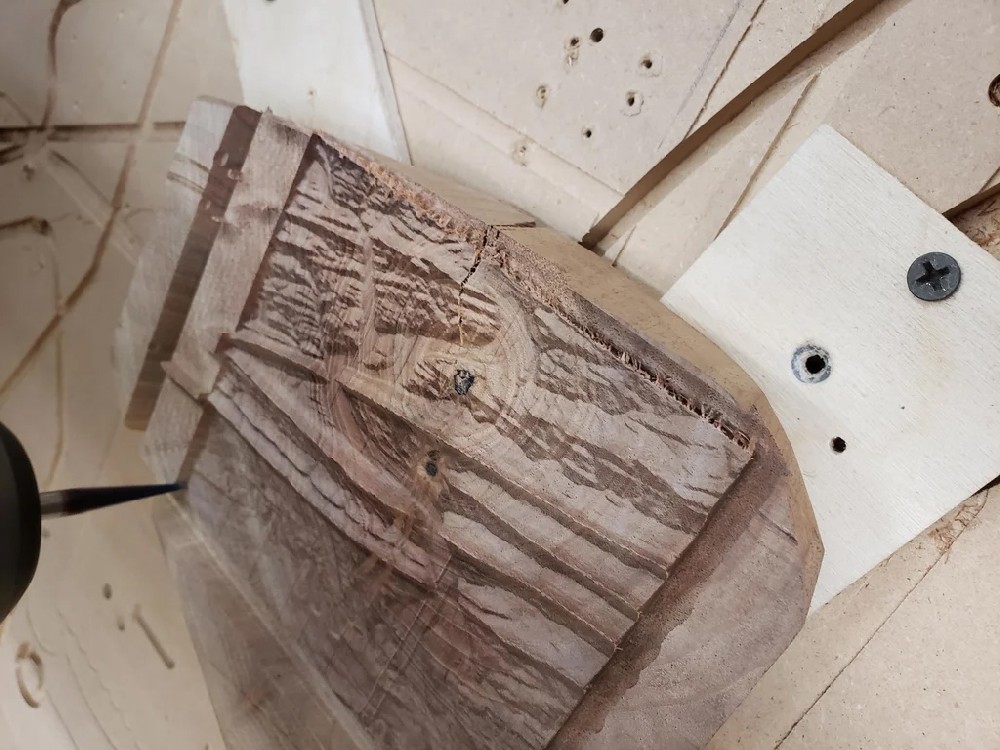
Relief Map on a CNC Router
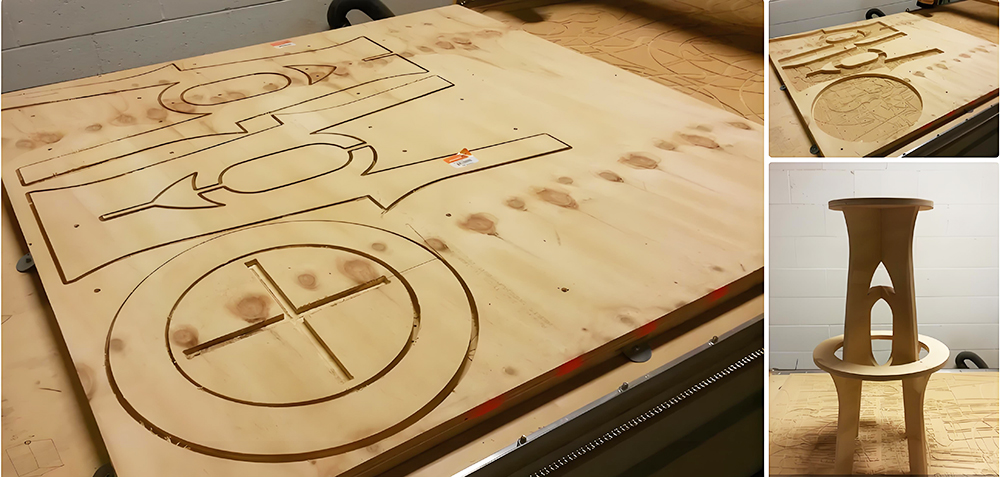
CNC Router Bar Stool
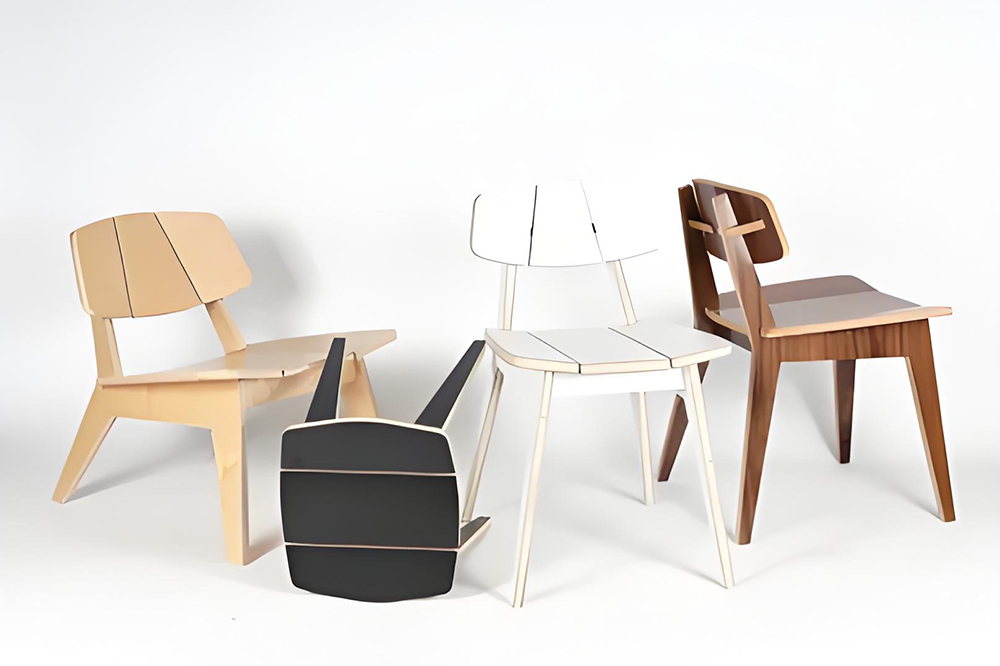
Wood Chair Made With CNC Router
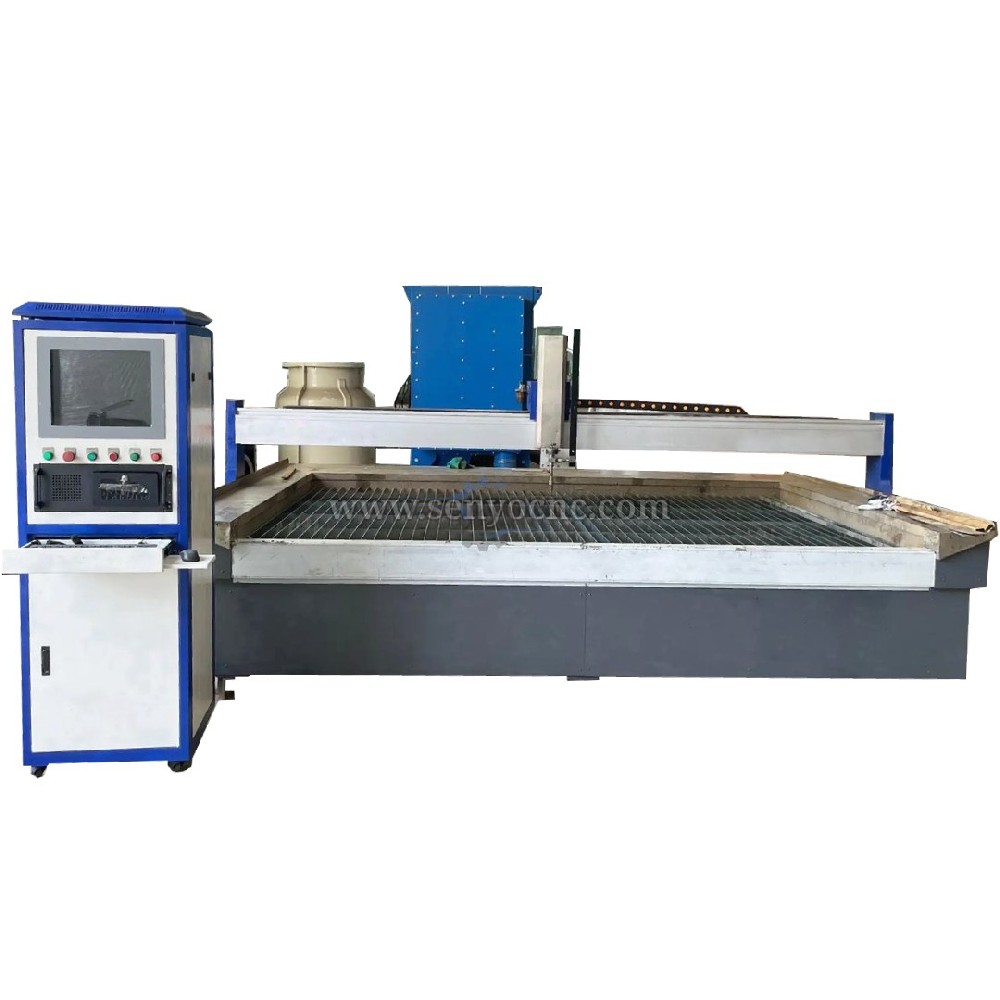
Competitive Price New Design Waterjet Machine 3 axis Cutting Machine

Typical industries that use waterjet technology
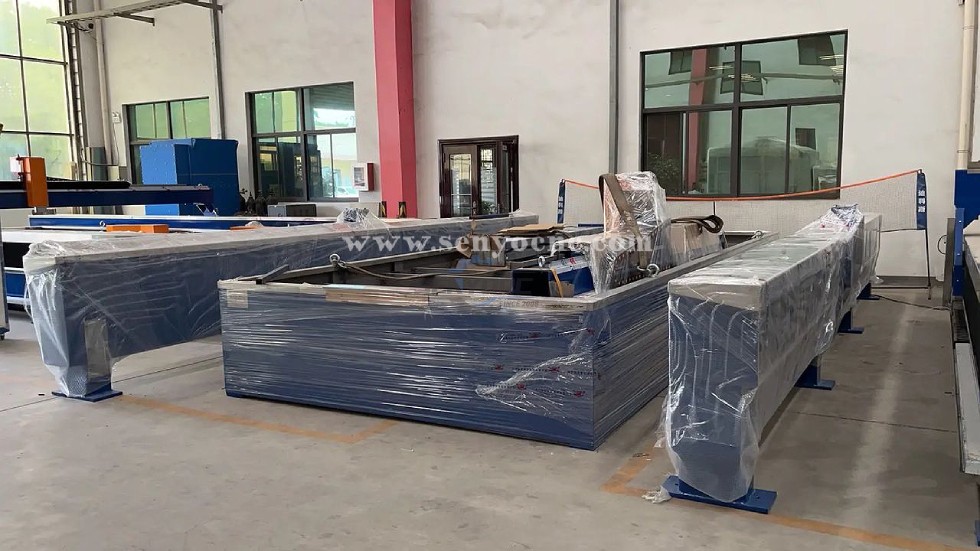
What main benefits to waterjet cutting ?
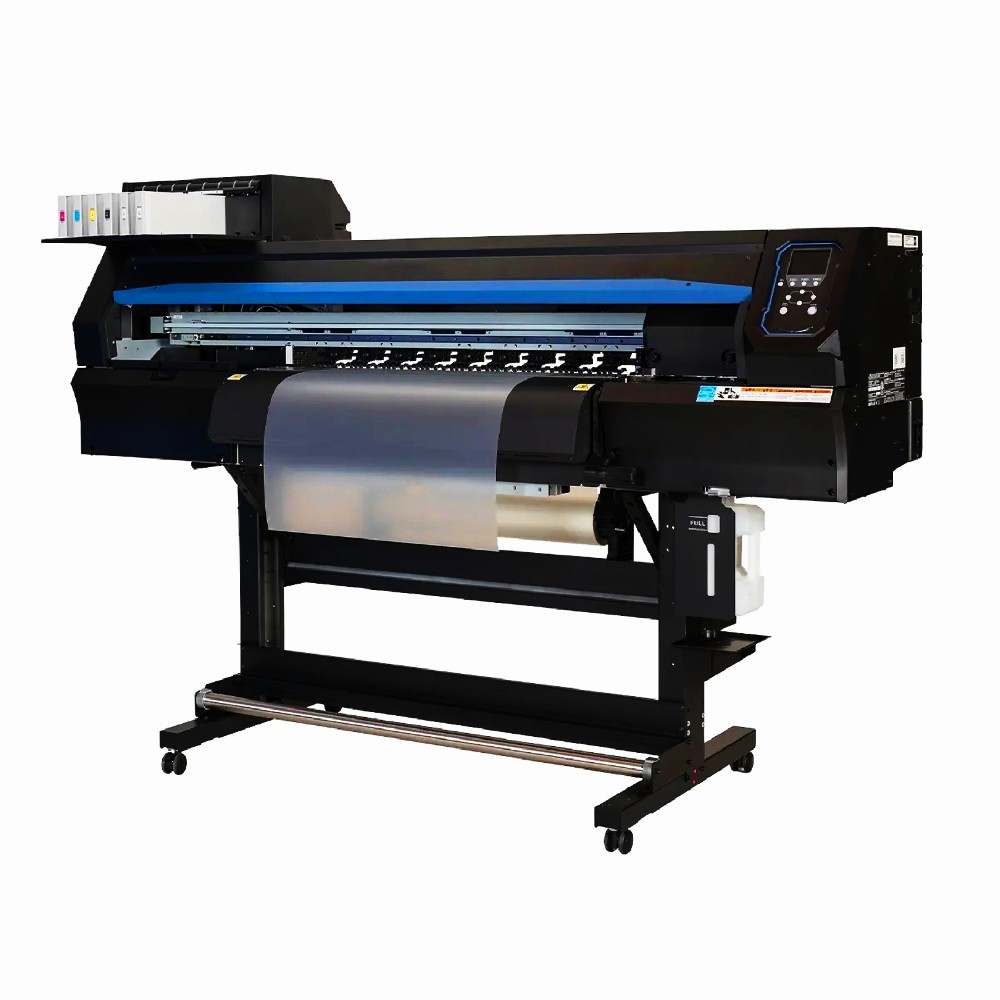
DTF Printer Machine Application
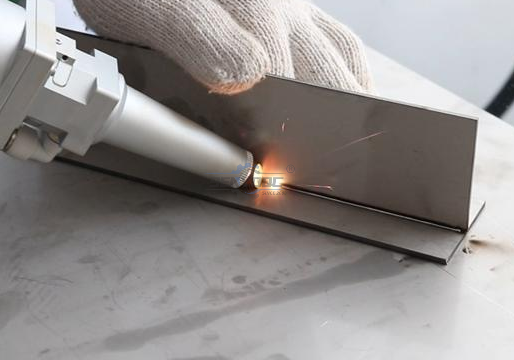
Typical fields of application
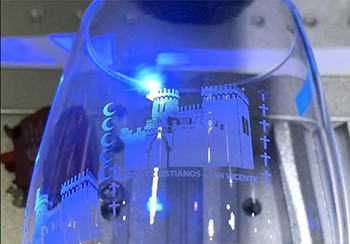
UV Laser Marking Machine For Glasses Engraving
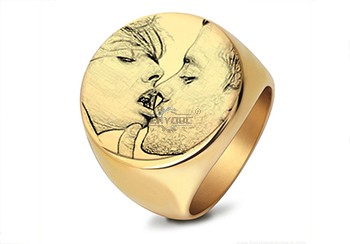
GOLD Engraving -Fiber laser marking work
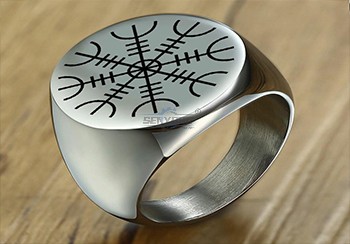
Sover Engraving -Fiber metal engraving and marking
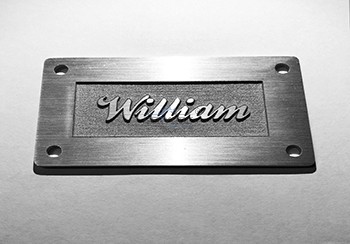
3D Marking Logo deep engraving -Fiber marking machine
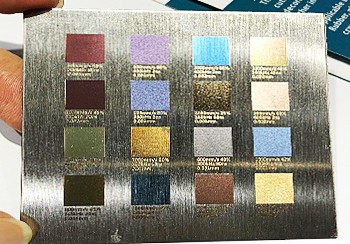
MOPA Fiber Laser Marking Machine Application and Samples
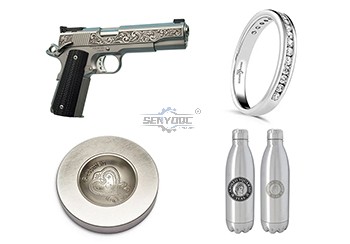
Fiber Laser Engraving and Marking Machine for Metalworking Projects
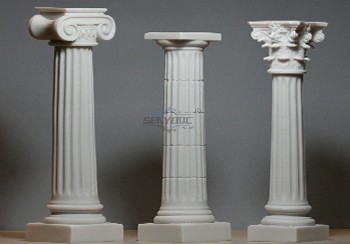
Stone shaft Rotary use engrave cnc router machine

Jacob from United States
I am a beginner at CNC, I’ve never used a CNC machine before and with in a day I was carving. An awesome machine for a beginner to learn as hobbyists. I used the manual and the help video. One hour to assemble and test, very friendly and easy to use. It’s a good buy for the money. I would definitely recommend this machine to someone getting into CNCs.
Weinstein from France
I've been using CNC plasma SYP2060-300A and I am very impressed with this unit.
This unit is of higher quality, made in China. Five stars all the way!
Fiber Laser Marking Machine SYJF100W from 🇯🇵 Haruto Sato | Japan
Our workshop produces customized metal accessories and small industrial components.
We needed a marking solution that could handle detailed text, symbols, and graphic elements on compatible materials.
A fiber laser system supports this type of work and allows us to change the marking layout for different orders.
We pay close attention to positioning, material preparation, and parameter settings. The equipment gives our business more options for customization and product identification.
Stone CNC Engraving Machine from 🇦🇺 Matthew Clark | Australia
We process granite and marble for countertops, memorial products, and customized decorative pieces.
The CNC machine allows us to produce engraved designs from digital files, making it easier to reproduce customer-approved patterns.
Different stones require appropriate tooling and machining parameters, so we pay close attention to setup and operator training.
This type of equipment is a useful option for stone businesses looking to add customized engraving to their existing services.
ATC CNC Router from 🇧🇷 Rafael Oliveira | Brazil
We supply furniture components for offices, retail stores, and commercial interiors.
Orders often involve different panel shapes, drilling patterns, and decorative details, so flexibility is important to our production team.
An automatic tool-changing CNC router helps us organize these operations without requiring every tool change to be performed manually.
It also allows us to consider more complicated designs and provides a useful platform for developing new services
CNC Machine for Tombstones from 🇨🇦 Christopher Lee | Canada
Our business supplies memorial stones with personalized names, dates, inscriptions, and decorative borders.
Accuracy and layout are important because customers expect the finished inscription to match the approved design.
CNC engraving helps us position lettering and decorative patterns more consistently than relying entirely on manual methods.
The machine offers useful possibilities for our memorial stone business, especially when handling detailed text layouts and customized designs.
ATC CNC Router from 🇧🇷 Rafael Oliveira | Brazil
We supply furniture components for offices, retail stores, and commercial interiors.
Orders often involve different panel shapes, drilling patterns, and decorative details, so flexibility is important to our production team.
An automatic tool-changing CNC router helps us organize these operations without requiring every tool change to be performed manually.
It also allows us to consider more complicated designs and provides a useful platform for developing new services.
CO₂ Laser for Sign Making from 🇪🇸 Diego Martínez | Spain
Our company creates personalized signs for shops, offices, restaurants, and private customers.
The CO₂ laser is useful for cutting suitable sheet materials and engraving text, symbols, and decorative details.
Because every customer has different requirements, working from digital artwork is important to our business.
We can prepare customized designs and adjust the machining process according to the material, giving us additional options for producing signs with varied shapes and visual details.
Multi-Spindle Wood CNC Router from 🇿🇦 Sipho Dlamini | South Africa
Our woodworking business supplies components to furniture makers and small construction companies.
We often process several similar wooden parts for one customer, and a multi-spindle CNC router offers potential advantages for this type of work.
It provides flexibility when machining repeated designs with compatible tooling. We consider machine configuration, maintenance, and operator training important factors in achieving consistent results.
SYM1560-2 Worktable ATC CNC Router from 🇩🇪 Thomas Schneider | Germany
We manufacture customized furniture panels and decorative wooden components, so our production often involves cutting, grooving, and engraving.
An automatic tool-changing CNC router is particularly useful for jobs requiring different tools during the same program.
It reduces the need for operators to change tools manually between machining stages.
The machine gives our team flexibility when handling complex designs, and we continue to explore additional applications for our production workflow.


Jinan Senyo Machinery Co., Ltd

 manager@senyocnc.com
 SENYOCNC
 +86 1525 3141 880
 +86 1525 3141 880
 2061579344
